You must log in or # to comment.
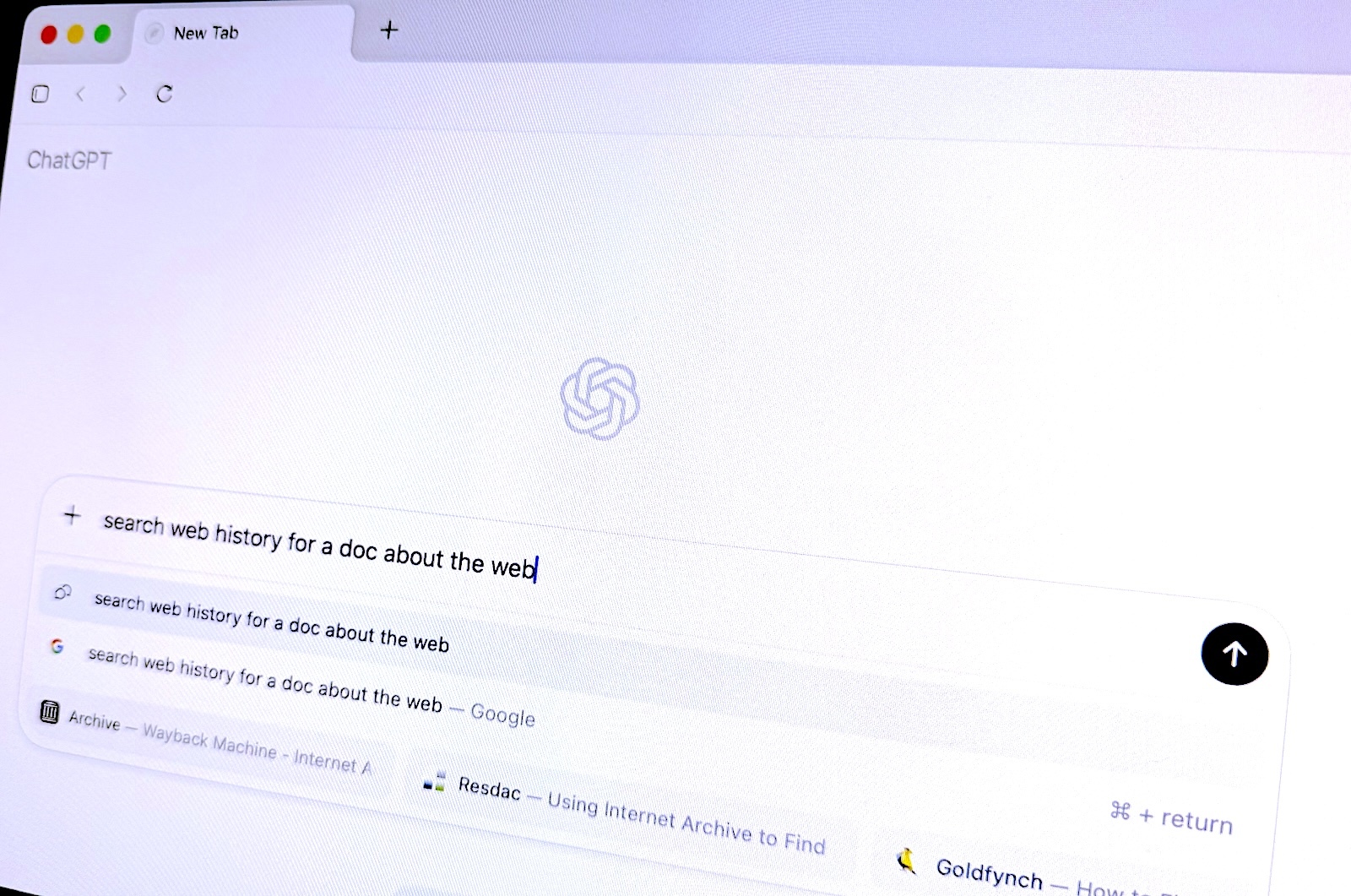
In the marketing materials and demonstrations of Atlas, OpenAI’s team describes the browser as being able to be your “agent”, performing tasks on your behalf.
But in reality, you are the agent for ChatGPT.
During setup, Atlas pushes very aggressively for you to turn on “memories” (where it tracks and stores everything you do and uses it to train an AI model about you) and to enable “Ask ChatGPT” on any website, where it’s following along with you as you browse the web. By keeping the ChatGPT sidebar open while you browse, and giving it permission to look over your shoulder, OpenAI can suddenly access all kinds of things on the internet that they could never get to on their own.
Those Google Docs files that your boss said to keep confidential. The things you type into a Facebook comment box but never hit “send” on. Exactly which ex’s Instagram you were creeping on. How much time you spent comparing different pairs of shoes during your lunch hour. All of those things would never show up in ChatGPT’s regular method of grabbing content off the internet. Even Google wouldn’t have access to that kind of data when you use their Chrome browser, and certainly not in a way that was connected to your actual identity.
But by acting as ChatGPT’s agent, you can hold open the door so that the AI can now see and access all kinds of data it could never get to on its own. As publishers and content owners start to put up more effective ways of blocking the AI platforms from exploiting their content without consent, having users act as agents on behalf of ChatGPT lets them get around these systems, because site owners are never going to block their actual audience.
And while ChatGPT is following you around, it can create a complete and comprehensive surveillance profile of you — your personality, your behaviors, your private documents, your unfinished thoughts, how long you lingered on that one page before hitting the back button — at a level that the search companies and social networks of the last generation couldn’t even dream of. We went from worrying about being tracked by cookies to letting an AI company control our web browser and watch everything we do. The amount of data they’re gathering is unfathomable.
Honestly: does anyone at this point think to themselves that using an OpenAI browser is a good idea? What does it even provide in terms of benefit over literally any alternative?
Nobody on this platform. But on the normie web there’s probably some folks who think it’s a good idea
Honestly i dont care. 99% of people are using Chrome. This browser doesnt change anything, people were already being spied on before, now its just being done by a different horrible company.
you didn’t even read the article… not that your other reasonoing is sound either

Why would i spend time reading an article about chatgpt when i already stated that i dont see it as worth concerning yourself with? The best thing to do with AI is not engaging with it.
Because what you said has little to do with the discussion started by the article… now that I think of it, it’s very AI since you completely missed the context
Am I the only one who doesn’t use any of this AI shit?
There is over 7 billions persons in the world, of course you are not the only one
8 billion btw
Ahaha, you’re so fucking clever…