That says you’re already way beyond the non tech savvy user.
Mobile software engineer.
- 0 Posts
- 27 Comments
Joined 2 years ago
Cake day: June 17th, 2023
You are not logged in. If you use a Fediverse account that is able to follow users, you can follow this user.
I’ve been thinking about this and I wonder if Linux can have more success if we have pocket computers that gradually add phone functions instead of trying to have phone hardware work with a system that isn’t made for phone-like experience in general.

 10·3 months ago
These men are more than powerful enough to go against Trump
I wouldn’t say that, remember a CEO is just a position. If any of them goes against Trump, they can easily be replaced. Except maybe Zuck.
“I want to thank you for setting the tone such that we could make a major investment in the United States,” said Cook, referring to Apple’s pledge to put $600 billion into US manufacturing. Given that Apple made that commitment under threat of crippling tariffs on smartphones
Also interesting to see that this has created a political divide:
Former White House strategist Steve Bannon had a conniption over the dinner earlier in the day. He dedicated a significant portion of his speech Thursday at the far-right National Conservatism Conference to attacking Big Tech “oligarchs,” and during an episode of his podcast he claimed the person who arranged the dinner should be “perp-walked” out of the White House. article
I think none of these people are happy to be shown in public as weak and submissive, but they must have been told to play the game.
When the scene is open to the public, you can already know it’s all a theater.
Non paywalled article: https://archive.is/2BltD
Best thing is that it works flawlessly on the mobile apps as well, and Wikipedia also has a 1 million most relevant articles or so, which is just a few gigabytes.
Encyclopedia Brittanica wasn’t designed to be addicting and offer misinformation for one.
 4·9 months ago
Also AWK is made to be fast, right? I suppose doing something in CPython in a non efficient way might not be noticeable with a bit of text, but would show up with a large enough data stream.
They can’t close the source code as long as they use the Linux kernel, right? Besides, Android is popular among other companies because they can customize part of it as they see fit.
This change isn’t really that drastic, because Android never really followed the open source way of doing things. The article even explains that this won’t change much even for ROM developers, since they’re not creating releases based on “work in progress” branches.
Really the only difference is that Google will spare the work of merging two separate branches often and solving conflicts that might as well be turning into a nightmare as the code base has grown.
This is the best I could find: https://www.gnu.org/distros/free-distros.en.html
Yeah, just a note, basically these Linux distros are the same at their “core”, but what differs among them is mostly about the software they have and the way they’re managed.
So you have distros that offer only open source software in their repository, some include proprietary drivers. Some distro families will have some differences in the path of certain folders, different families use different formats of their packages (which include the actual binary of the software together with the metadata about how to install them in the system), although a purely Linux binary should be executed in any Linux distro. Some offer more guidance during installation and setup, some offer a more “raw” experience that force you to chose every little detail, and so on.
Another difference is in their philosophy of how the packages and dependencies are made available. Distributions such Arch Linux and its derivatives always offer the latest versions of each package, reason why they’re called “rolling release”. Distributions such as Debian offer a specific version that’s “frozen” and tested thoroughly until a new version of Debian is released with more updated software.
Some say a rolling release distro is better for gamers because you always get the latest features and performance improvements, but they’re naturally less reliable than a stable distro.
So I’d say the important thing is to understand the trade-offs so that you can choose the best thing for you. And also there’s no downside of experimenting different distros in a virtual machine, for example.
Also has an interface that clicks easier with people used to Windows.
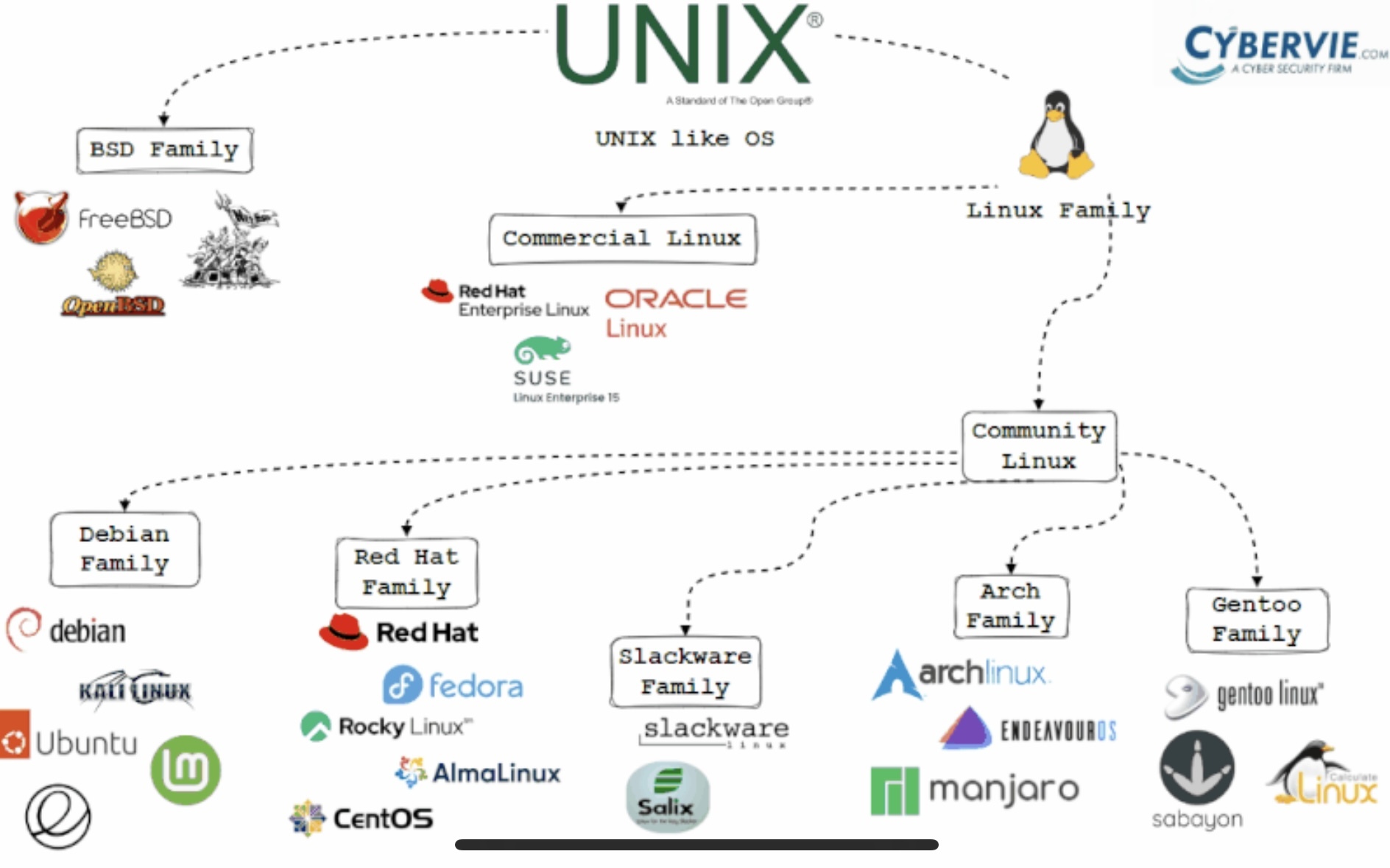
Here’s a nice pic that make you feel less “lost” about how some popular distributions relate to each other:
 2·9 months ago
I think we’re naturally a bit suspicious of freeware as “misleading” because so many old software used to be just vectors to install malware (mostly spam) alongside it. At least for me, I only trust it either if it is open source or it has a sustainable business model.
If they actually wanted quality documents for people to use, they would be advocating for Standard Ebooks or something.
Or… you know… have PDFs that aren’t pictures of handwritten text?
Yeah, none of that would be a problem if the car isn’t connected to anything (WiFi, Bluetooth etc.)
This is why technically software is a liability. The less code you need, the better, since every line of code is a potential vulnerability and something to maintain, update, etc.
But is it that different than the podcasts voices Google already generate with NotebookLM since a while ago?
If the distro is rolling release, it can always support the latest software in theory, you’d just need to have the correct package formula, which is exactly what AUR offers.
The problem with AUR is just that the author of the package is likely not the author of the software and not affiliated with the distro, so you should normally check what the script is doing.
There was a time Google were orders of magnitude better than anyone else. Now with Google basically just pushing ads at the top and SEO articles taking over, the other search engines aren’t worse.
In any case, I find that DuckDuckGo is already enough for 90% of my searches and hence it’s my default. This simple fact made my dependency on Google very low nowadays, basically Gmail and Google Maps are the main thing I still use.
I only fall back to Google Search when I want something more tailored to my country news, something in my language or when I’m searching for something around me (like a store, business etc. which are all on Google Maps). These other search engines seem to be good mostly for English content and struggle to filter for things like “This search should be about country Y”.
I’m a practical person, so I don’t resort to extremist views like “100% free of Google”, but I guess these little gestures compound over time. Recently I’ve been also changing some services to use a different email (a private one) other than my Gmail address, just to avoid centralizing everything on Google, and so I’ve been effectively diversifying the services I depend on, which is good.