

6·
2 months agoActually, you can always nitpick some more.
Actually, you can always nitpick some more.
The Bible has used the same structure as Tolkien.
It starts off with the Gospel/early testimonies:
Then the New Testament proper:
It then contains the “Old Testament”, that fleshes out much of the older lore in the World. These writings are less firmly established, but are widely considered to include:
Then you have books of Psalms, like The Adventures of Tom Bombadil and other stories.
Let’s not forget the Epistles, the letters of the apostles, compiled under:
The Letters of J.R.R. Tolkien

It’s a step, and I’m glad your company’s taking it.
Just saying that there’s still some big hurdles ahead, but you’re right, gotta start somewhere.
By itself, no, it will not solve the problem, but it does help because it distributes the housing pressure over a larger area.
Forget the superhero approach. If you’re looking for one solution to fix everything, you’ll live life as a very disappointed person. There are no magical fixes to big problems - it’s one small step at a time, until their compounding effect starts to chip away at the problem.
Slack and Teams are tiny, I think, when compared to other cloud services - my company could easily migrate from slack to something else (some pain involved, but very doable). Even a sudden disconnect, there’s still email and other tools to get everything on the same page.
Migrating our products and data from Azure, if that got cut out of the blue? We’d probably be out of business before that was achieved.
The barrier to entry is prohibitive. So many people are living paycheck to paycheck, a down payment on a home within walking/cycling distance of their workplace is a pipedream.
Even if they could, with how large cities are, it’s unlikely it’ll be close to where they work.
The solution is always mass transit: even a simple bus, as long as it’s comfortable, reasonably fast and timely will do wonders. Trains and subway, even better.

Here’s a few of the common ones. I would note that this isn’t any sort of gospel - it depends a lot on the maestro, and on the piece itself.
For a fast waltz, for example, it’s very likely that the conductor will only signal the “downbeat” (ictus) and be much more… subjective withe the rest of the motion, and allow some freedom instead of keeping some robotic tempo that could sound forced and boring, it’s really a very dynamic form of communication.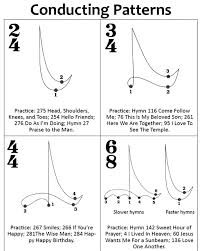 If there’s some big crescendo for example, maybe he won’t even signal the tempo and instead use both hands to control intensely, the energy, of that segment, and prepare a monstrous downbeat when it reaches the climax.
I know little about conducting, but it’s fascinating.