

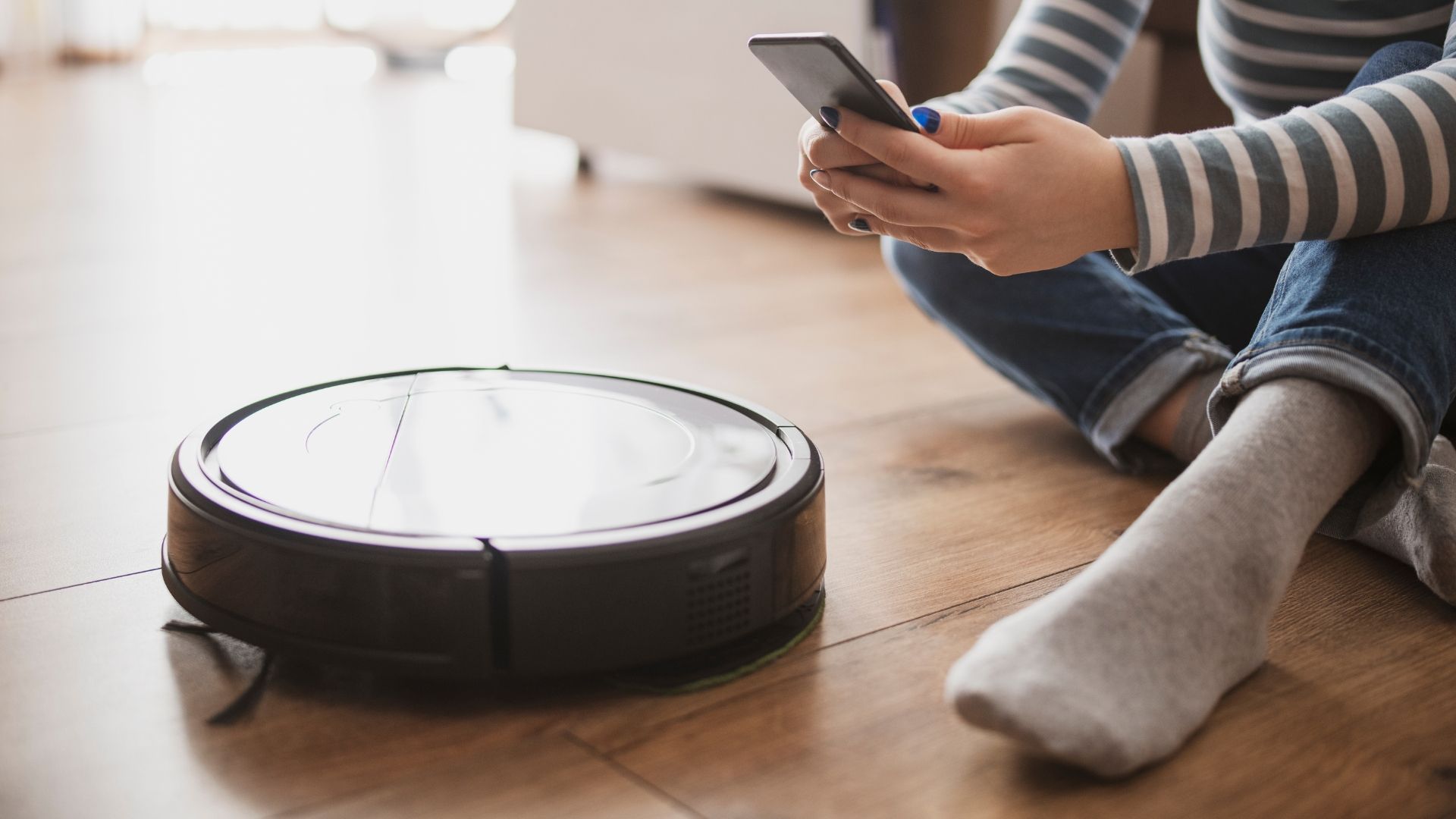
An engineer got curious about how his iLife A11 smart vacuum worked and monitored the network traffic coming from the device. That’s when he noticed it was constantly sending logs and telemetry data to the manufacturer — something he hadn’t consented to. The user, Harishankar, decided to block the telemetry servers’ IP addresses on his network, while keeping the firmware and OTA servers open. While his smart gadget worked for a while, it just refused to turn on soon after. After a lengthy investigation, he discovered that a remote kill command had been issued to his device.
My concern is that they’ll include the equipment for spying on you, and just enable it later.
I bought a Hue because it said “no online account required!” Later they changed their mind.
I want the promise plus open standards and a base of libre software. I want them to tie themselves to the mast.
Yeah, good point. Owners of Samsung “smart” refrigerators started seeing ads on them recently.
I’m sure there was some sort of legal terms that users had to agree to to enable that, but it still feels like a scam. Some amount of those fridge owners would not have bought the fridge if they knew there would be ads on it at any point in time.
I mean, if I felt I could control the little computer in a smart fridge without expending excessive effort to do so, I might be interested in getting one myself. Absent other concerns, a tablet integrated into my fridge could be handy to monitor the appliance, make quick or even automated grocery list updates, etc. Not earth shattering, but still marginally useful.