

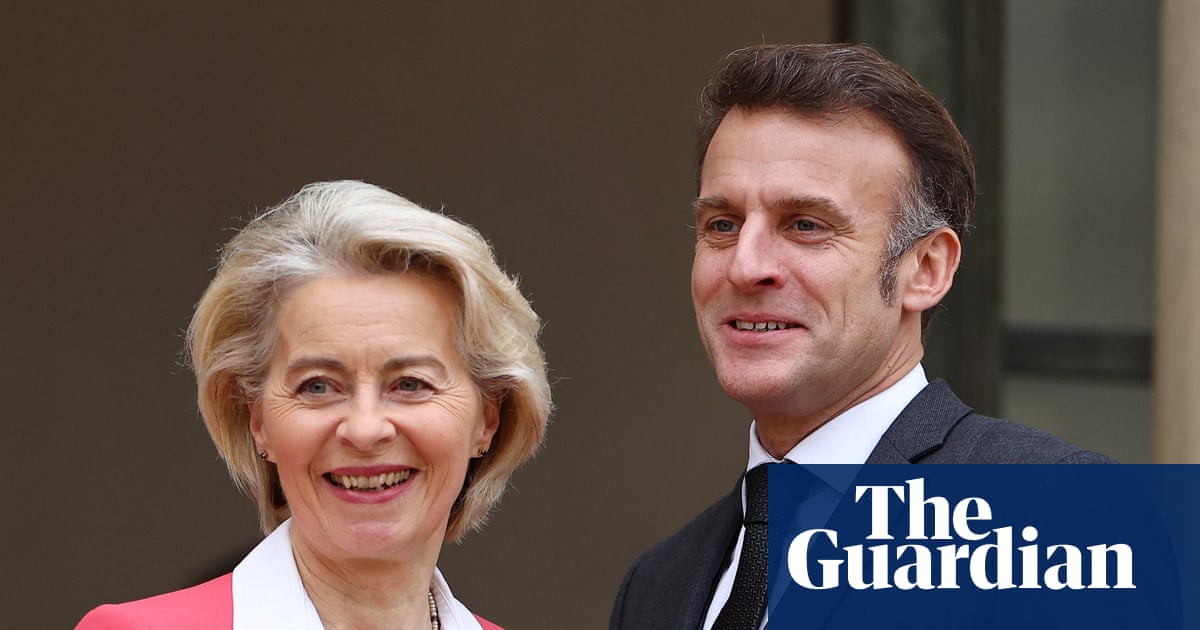
The French president, Emmanuel Macron, told European newspapers this week that European preference should be focused on certain strategic sectors, such as clean technologies, chemicals, steel, automotive and defence “otherwise Europeans will be swept aside”.
He described European preference as “a defensive measure” and essential because “we are facing unfair competitors who no longer respect the rules of the World Trade Organization”.
A group of northern European countries that champion free trade have fired a warning shot against the idea. A joint paper from the Nordics, Baltics and the Netherlands stated that European preference “could risk adding another layer of complex regulation” and push away investment.
Perhaps the view is changing that free trade doesn’t come without hidden costs?
If the cost of trade agreements means political interference or military threats, it’s not really free.
No question. I feel like by this point the problems with free trade should be obvious to most economic managers. This is why I’m a bit shocked at some of their statements against Buy European. They sound like they’re afraid making trade less free is a dangerous change.
I don’t think it was ever meant to be “free” as in “free beer”, but “free” as in “freedom” (from state control). But it has always had a cost, at many levels, not just political interference.
Importing/exporting offshore will often have more environmental impact and be less efficient than producing locally and saving in transportation, dealing with going through borders, currency exchanges, lack of control in the production process which could lead to potential problems in the product (or in the exploitation of the workers offshore) and other direct and indirect costs.