Changing for no reason is actually a significant part of evolution. Mutations are random, and natural selection may cull less advantageous traits or favor more advantageous traits, but lots of mutations don’t really change fecundity either way.
The comment above is talking about more than just one-off mutations. Genetic drift and neutral evolution describe a process where entire species or population within a species will change in a random direction for no particular reason. Red hair and green eyes are examples of this in humans.
You are all, talking about the process. Previous poster was rather talking about the result. If a species in its current form is well adapted to a niche and that niche persists, chances are that also that species will change little. That doesn’t mean the Horseshoe Crab was not subject to evolution like every other species.
You’re describing an evolutionarily stable strategy. Functionally and morphologically, horseshoe crabs are very similar to those that evolved in the Ordovician, but genetic drift and neutral evolution are still at play, and extant horseshoe crab species are totally different animals than those from 400 million years ago
I would think it is rather an evolutionary stable state in the case of horseshoe crabs but I am not an expert. Anyhow, I never said that evolution was not at work before or that there was no genetic drift or neutral evolution, quite the opposite.
As far as I understand it, changes occur constantly for no particular reason; it is enough that a species that is sufficiently adapted to its environment and manages to reproduce does not go extinct.
Evolution is about unfilled niches, not about changing for no reason.
That could be survivorship bias. As in, in hindsight it appears to us that evolution fills niches. But that’s only because the strains of evolution that found unfilled niches are the ones who had the greatest chances of survival.
The actual purpose driving the change may indeed be “for no reason.” We have no reason to believe there is any teleological factor which causes niches to become filled.
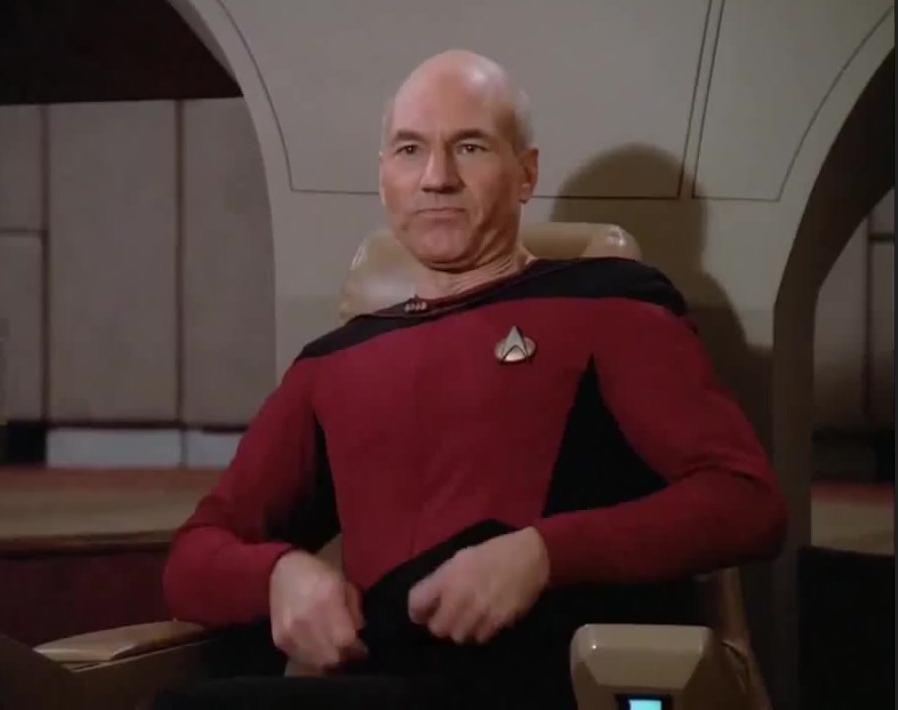


Evolution is about unfilled niches, not about changing for no reason.
Second sons going somewhere else doesn’t mean the farm is vacant.
Changing for no reason is actually a significant part of evolution. Mutations are random, and natural selection may cull less advantageous traits or favor more advantageous traits, but lots of mutations don’t really change fecundity either way.
See: Genetic Drift; Neutral Evolution
You’re talking about mutating for no reason, but they’re talking about changing and keeping the change, I believe.
The comment above is talking about more than just one-off mutations. Genetic drift and neutral evolution describe a process where entire species or population within a species will change in a random direction for no particular reason. Red hair and green eyes are examples of this in humans.
You are all, talking about the process. Previous poster was rather talking about the result. If a species in its current form is well adapted to a niche and that niche persists, chances are that also that species will change little. That doesn’t mean the Horseshoe Crab was not subject to evolution like every other species.
You’re describing an evolutionarily stable strategy. Functionally and morphologically, horseshoe crabs are very similar to those that evolved in the Ordovician, but genetic drift and neutral evolution are still at play, and extant horseshoe crab species are totally different animals than those from 400 million years ago
I would think it is rather an evolutionary stable state in the case of horseshoe crabs but I am not an expert. Anyhow, I never said that evolution was not at work before or that there was no genetic drift or neutral evolution, quite the opposite.
Thank you!
As far as I understand it, changes occur constantly for no particular reason; it is enough that a species that is sufficiently adapted to its environment and manages to reproduce does not go extinct.
That could be survivorship bias. As in, in hindsight it appears to us that evolution fills niches. But that’s only because the strains of evolution that found unfilled niches are the ones who had the greatest chances of survival.
The actual purpose driving the change may indeed be “for no reason.” We have no reason to believe there is any teleological factor which causes niches to become filled.
Filled your mom’s niche last night, bb. Hur hur
Nah, evolution favors the for-no-reason changes that increase survivability.