

85·
3 days agoI love this negative review. Notice their hours on record.

I love this negative review. Notice their hours on record.

I’m pretty sure that’s actually just a glass window. I think the entrance is on the opposite side. The carpet side.
I haven’t had any problems, except for fighting that Goliath alien. I managed to take one down solo, but only by jumping across a chasm and then taking pot shots at him while he stared at me from the other side. I could not get clean shots off at him while running away. I actually killed him by throwing a grenade behind him, and when he turned around to shield from the blast, I shot him in his soft unprotected backside until he collapsed.
I personally have yet to die in the game, but two of my friends who joined me just ran off without any introduction to the game and proceeded to get themselves killed over and over again. So if you pay attention to the training at the beginning, it shouldn’t be too difficult.
The farther you wander from your starting area, the more difficult the aliens get. So stay closer to home until you’ve leveled up your weapons and base defenses and you’ll be fine, even solo. Of the 7 bases I currently have set up, only one has been attacked by aliens so far, and they were easy to clean up by myself.
As far as factory automation, it can sometimes be a chore as a single player, but it’s not too hard. As long as you have the patience to plot out resource production lines, it’s not too bad. The hardest thing right now is that there’s no transportation between bases besides walking there yourself, so it can be time-consuming going back and forth to check on various bases. Especially since most of the resource nodes are scattered. And you can’t just build anywhere like Satisfactory, so you need to drop Base Cores here and there so you can run rails between bases for resources.
I still don’t know how large the game’s map is, but what I’ve uncovered so far is massive. It takes me maybe 10 minutes to walk across my currently-explored area, and there’s still a lot of black undiscovered areas on my map in all directions!

I love that Dragon Ball is seen as the quintessential Japanese anime show to Americans, but its plot, setting, and themes are heavily influenced on Chinese culture.
Heck, the series started with Goku as a small, monkey-like boy with a tail, an infinitely-extending pole for a weapon, and he flew across the skies on a small cloud. That’s literally just The Monkey King from Chinese mythology.
I’ve seen the various anime shows. They’re decent, but since the original manga is still not complete, none of them have a real end. They just kind of stop.
The original 1997 anime told the whole story up to The Eclipse event. The first episode was actually right after The Eclipse, then the rest of the series is a flashback to Guts’ whole life leading up to The Eclipse.
In 2012-13, a 3-movie series released called The Golden Age Arc, which basically summed up the story leading up to The Eclipse. I’d recommend watching this instead of the 1997 show. It’s 3 movies instead of 25 episodes, so it’s a bit more focused and doesn’t drag between events.
The 2016 anime picks up after The Eclipse, but didn’t have a complete story to tell, so it basically just goes over some of the bigger events and battles in more recent manga volumes before just stopping. They also tried to CG animate this series too, so the style is a little weird to me.
In 2022, the Golden Age Arc films were extended into 13 TV episodes with some new scenes added. They dubbed this version the Memorial Edition, in honor of Kentaro Miura, the original creator of Berserk who suddenly passed away in 2021.
His manga team is still continuing his work, trying to finally wrap up the manga. According to Miura’s best friend, Berserk was almost finished, and he got enough clues from Miura on the direction of the story that he’s confident he can finish the story the way Miura wanted.
So maybe one day we’ll get an anime that tells the complete story from start to finish.
My apologies, I grew up with the 1957 Zorro TV show, which was a Disney product. I didn’t know he existed before that; I thought Disney created him.
EDIT: Fun fact: when One Piece first came to America, Zoro was original renamed “Zolo.” Because the American translators were afraid of starting beef with Disney over the Zoro/Zorro name.
Also, the Japanese language doesn’t have any “L” characters in it; any words with an “L” get turned into a Japanese “R,” sound, which is basically pronounced like a blend between an “L” and a “D.”
So any Japanese words with an “R” in them could easily be translated as “L.” Zolo and Zoro are pronounced the same to a Japanese person.
I was living in Japan when Naruto first released. I recognized his name because it’s the little pink and white swirly fishcake slice they put on ramen.
His full name is Uzumaki Naruto, which translates to “Whirlpool Fishcake.” So of course, his greatest tool/weapon is a swirling ball of concentrated energy in his hands. And he’s obsessed with ramen.
Negima! also released while I was living in Japan, and the main character’s name, “Negi,” basically means “Green Onion” in Japanese. He’s from Wales, where the national symbol is a Welsh onion (same thing).
Negi is a 10-yr old genius mage who takes on a teaching job at a private academy. His students, who are all older than him, sometimes call him “Negi-bozu,” which is an honorific that’s basically like calling a child “kiddo” or “sport.” But “Negibozu” is also a slang term meaning “onion head,” which is a way to refer to someone as being young and inexperienced.
And it’s not just the Japanese language. The Japanese love English and try to squeeze it into their pop culture everywhere they can, whether it makes sense or not.
I became obsessed with the Berserk manga while I was there. The main character is named “Guts” (Gattsu), which is just an English word.
It not only describes how he was found (a baby nestled in the eviscerated guts of his dead mother who was hanged while pregnant with him), but also his determination and extreme willpower. Dude never gives up, no matter how much the situation is stacked against him. He’s got real guts.
Similarly, One Piece stars “Monkey D. Luffy,” who is basically a human monkey. He’s dumb, a wild child, constantly getting into trouble and scrapping with people. Plus he loves to climb stuff. With his rubber powers, he can stretch and climb pretty much anything.
His powers in Japanese are the “gomu-gomu” ability, which just means “rubber-rubber.” All the devil fruit power names in One Piece are just describing the ability in Japanese.
His crew member, “Usopp,” is a habitual liar. He has a long nose like Pinocchio, and “Uso” means “to lie” in Japanese.
Another crew member, “Zoro,” is an expert swordsman, just like the classic Disney hero Zorro.
There are puns everywhere in Japanese anime, but those are the first few that came to mind from my experience there.
I considered that, but I apparently have a really lumpy, scrotum-looking scalp. I do NOT look good bald. So… I gotta put up with what’s left of my hair as long as I can.
The only reason my hairstyle has changed over the years is because of thinning hair.
I used to have such thick, soft hair, people would joke that I was actually growing fur. Everyone loved to scruff my hair and I got compliments all the time.
But now I’m in my 40s and the family balding curse has caught up with me. My hairline is receding, a bald spot is starting to show, and I needed to change up my style to avoid looking 20+ years older than I actually am. Eventually, I’ll just give up and let it do its own thing, but I need to experience my midlife crisis first. 😉

My introduction to Tim Curry was when he played Rooster in Annie waaay back in 1982.
It’s always been wonderful to see him pop up in movies and shows (and video games) over the years, even if he’s just doing voice acting. I know it took him a while after his stroke to be able to talk normally again (he was slow and slurred in his speech for a while), but I’m surprised he hasn’t done more voice work since 2012.
I always attempt to play a game the way the developers intended the first time through. If I decide to give it another playthrough and I don’t want to put up with the extra grindy parts of the game, I’ll look for legitimate cheats to help me fast-forward through the rough parts.
I mean “legitimate” as in, cheats the developers put in the game, not outside hacks or mods that alter the game itself. I’m not big on mods in general, and I don’t usually use cheats, but I will in rare situations.
Back in the day, Warcraft III had cheats that let you power through each level with stuff like infinite resources, invulnerability, or just letting you automatically complete a level. I used those on recurring playthroughs because each level could easily take 30 mins to an hour to beat, and it was very grindy.
In Satisfactory, there’s a cheat where you can add a single stack of a resource into the back of a factory cart, then deconstruct the cart. You’ll get all the resources of the factory cart in your inventory, plus double the resource you put into the cart.
Do this dozens of times and you can exponentially grow resources without having to wait on factories to make them. I’m pretty sure the developers are aware of this “glitch” because it’s never been patched out, even after a bunch of people started pointing it out on official Satisfactory forums.
I played hundreds of hours of the game and made some pretty massive continent-stretching factories. Upon building a new world, I started to implement this “strategy” to hurry up and acquire rare resources so I could get factories off the ground. Saved me from hundreds of hours of gameplay, waiting on production lines to make basic resources into more advanced resources so I could get to the next step.
A buddy of mine asked to be part of my Steam Family so he could have access to my 4,000+ game library. He regularly streams games online and figured it’d save him tons of money buying games to play.
But he’s also completed all achievements on almost every game he’s played on console and uses some website to automatically complete all the achievements for his Steam games, so he doesn’t need to redo them on PC.
The thing about Steam Family is… if someone’s caught cheating and earns a vac ban, the owner of the family account receives the ban, not the individual player. I told him I was worried that cheating of any kind might affect my immaculate record and/or library of games and he decided to just buy his own games instead of risking my account. Good friend; he didn’t even argue. I was still willing to let him have access as long as he was careful, but he chose another route.
[…] we have so many things wrong PlanetSide that it makes the stars almost irrelevant.
Yeah, this has been my fear lately. As a kid in the '80s/'90s, I had high hopes for humanity. I loved space travel stories; read so many science fiction books, watched Star Trek/Star Wars, loved space films of all genres…
But lately, I’ll be happy if we ever make it to Mars. The one person who had a dedicated mission to get a man on Mars turned out to be a self-destructing billionaire sociopath who seems to have abandoned that dream for political meddling aspirations instead.
If we can get capitalism out of the way, humanity might have a chance at bouncing back. But as long as a few powerful elites maintain control over society, our hopes and dreams will forever be redirected toward financial gains until the collapse of society.
On the plus side, even Rome, the most stable and advanced civilization outside of our own, eventually collapsed. Humanity survived and eventually went on to thrive once again, doing even better this time. By the historical timeline of the birth and death of civilizations, America is long overdue for a collapse. Maybe we’re about to see a global change that will reset our predicament and give us another chance to succeed. If we can learn from our past.

I can’t vouch for all East Asian countries, but in Japan, it’s a matter of formality. When you meet someone, you always refer to them by their family name and an honorific. (Like we would say, “Mr. Smith.”)
Once you start to get more friendly and familiar with an individual, you’ll move on to more intimate honorifics, until you’re allowed to call them by their direct first name, no honorifics. That’s a sign that you’re very close with someone.
It allows people to refer to you without being too direct and familiar until you’ve gotten to know them well. And you can tell what relationship two people have by what names they use to call each other. Heck, really close friends will probably make up nicknames for each other too.
When I was in the US military, it was kind of the same mentality. Everyone was referred to by rank and last name only. As you got to know someone of the same rank or lower than yours, you could refer to them by last name alone, no rank required. But only the closest of friends would refer to each other by first name.

I just wish I could see how life goes on without me. How our world changes in the future beyond my limited time on this planet.
I think about people who lived hundreds of years ago. How they couldn’t even imagine the scientific and technological advancements that we have. And then I think about hundreds of years into the future. What changes will be so extreme and advanced that I can’t even imagine it today?
I wish there was some way for me to glimpse into that future and see where society is heading. Will we expand out to the stars? Will we be extinct long before we leave this planet? What’s the ultimate future for humanity? These are questions I want to know, but will never get a chance to find out, unless everyone but me dies out in the next 30-40 years. And I highly doubt that’s gonna happen.
Depends on how much milk you add to it. Personally, I see it as more of a breakfast stew; more solid food in the bowl than liquid.

Meh, it’s a deal to get more subscribers. I’m not mad at them for not extending it to all users. It is a little shady that they didn’t make it clear it’s for new subscribers, though. If that’s their target audience, they should make it a little more apparent.

I have a Google phone, which has YouTube embedded on it. I can’t remove it. I had to disable it, then tell my phone to redirect all YouTube links to my browser. Now I can block ads again!
deleted by creator
Hmm, this looks interesting. And you can’t beat the free price tag. I’ll check it out.



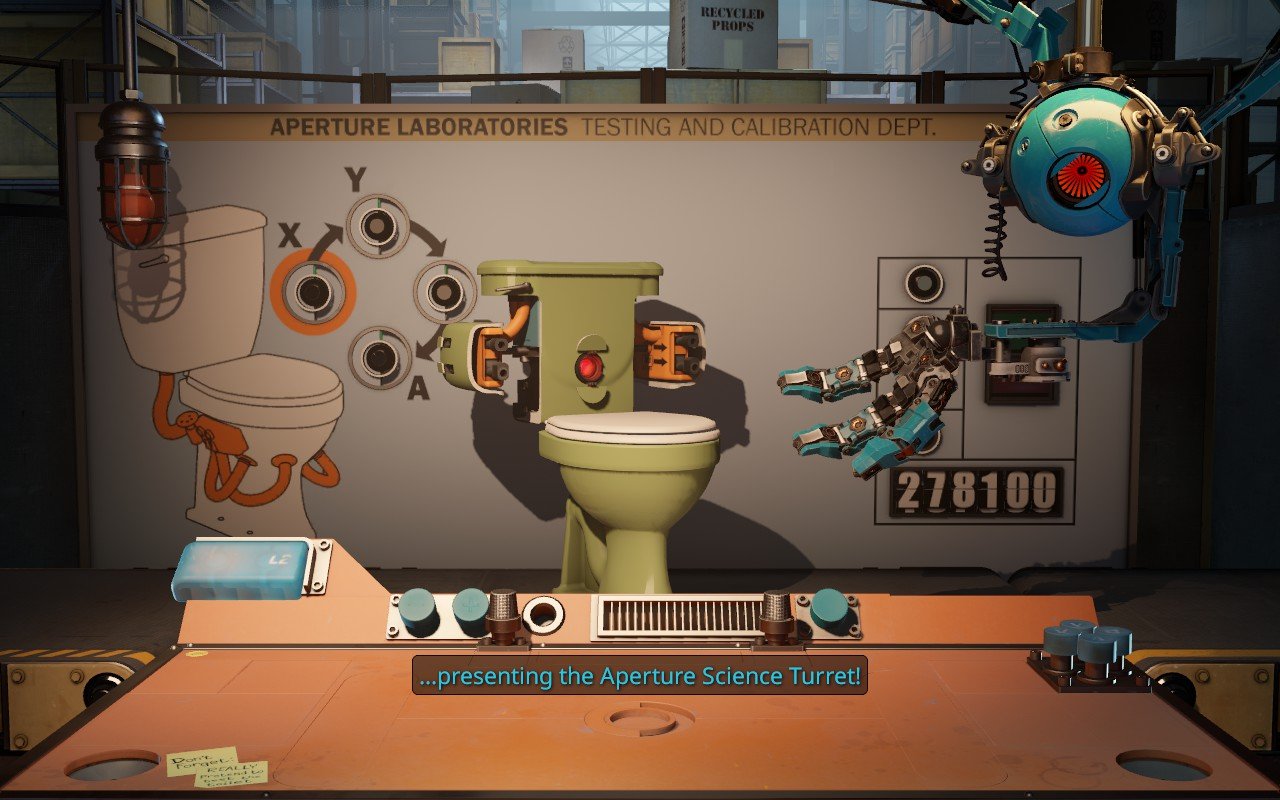
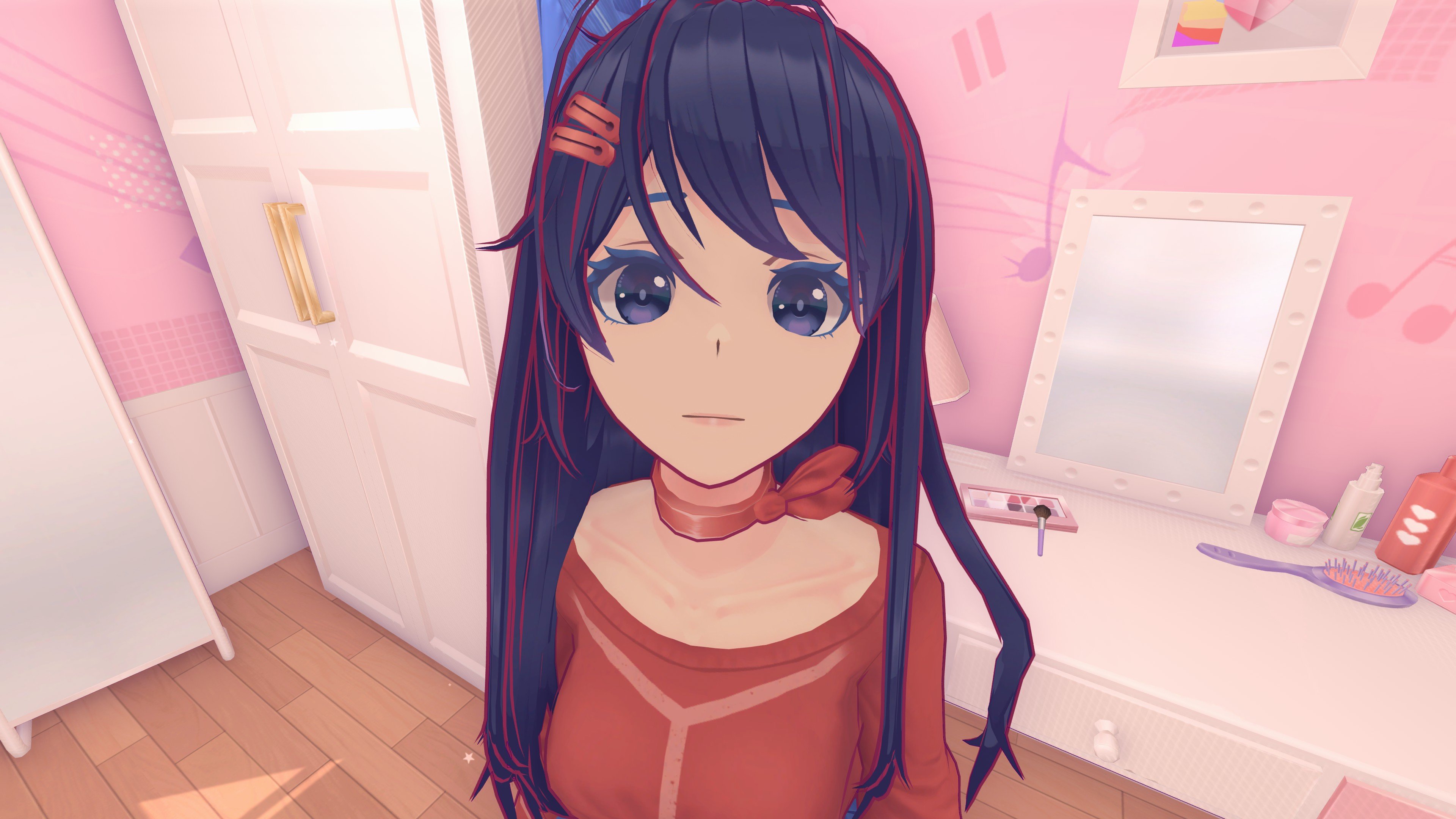
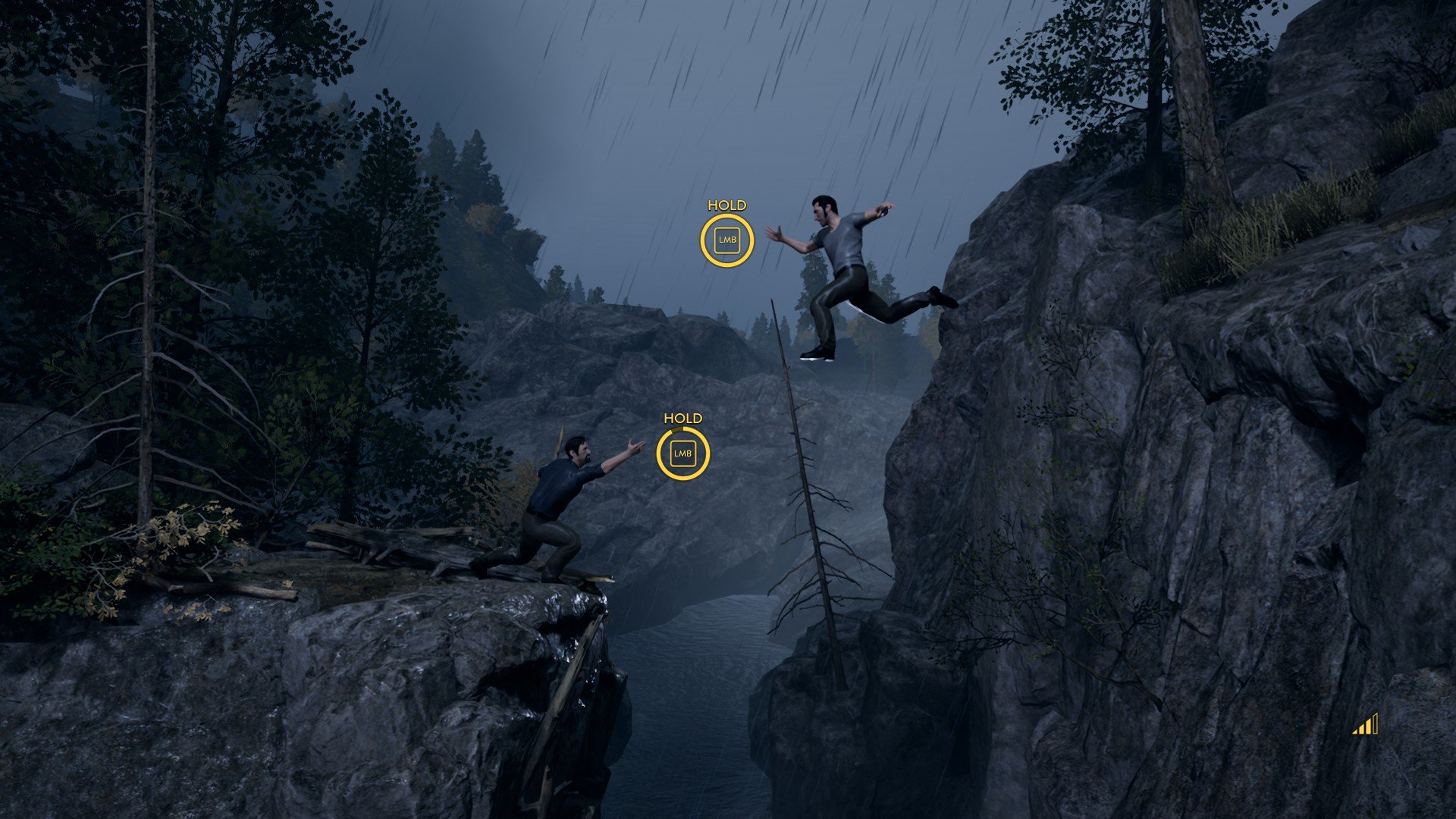
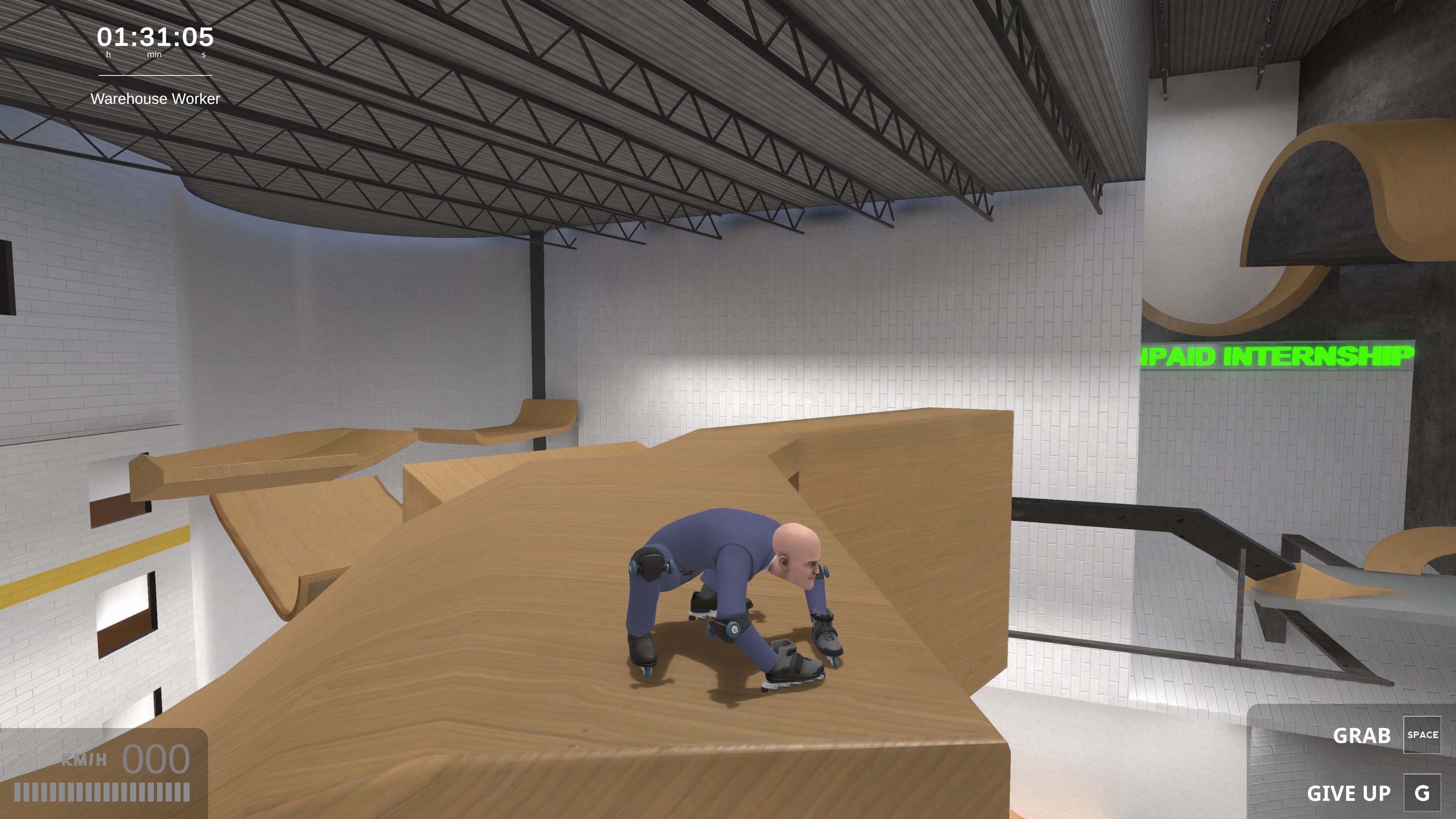


Yeah, they must mean the original, since this mod just released today. But if you read their whole review, they don’t directly reference the original game once, they just gripe about all the things they don’t like about this mod.