

91·
3 days agoRiiiiight 😉😉
Riiiiight 😉😉
Jesus, WOW

First off, no.
Second, GFY: https://www.newsweek.com/john-kasich-pizza-knife-fork-donald-trump-bill-de-blasio-448338
Search for Trump like you would in the Epstein docs. You’re clearly shilling here.
This…is not true. Many women approach men. Not all, but many. Just depends on the personality.
The reason it’s tough being a young man out there right now is because you have all these dipshit right-wing machismo assholes trying to indoctrinate young men into being complete and total pricks, as if women aren’t keeping tabs.
Unless you are waving a white flag and doing your best to demonstrate you DO NOT subscribe to that bullshit, they want nothing to do with you.
Personality and the person matters. Not much else outside of the basics of physical attraction.
None of that stuff requires you be tall, have a big dick, or tons of money. If that’s all someone wants from you, you do not want to be with that person.
WTF?!?! Were you hanging out at Mar-a-lago or something?
PEOPLE WHO EAT PIZZA WITH A KNIFE AND FORK ARE ACTUAL ALIENS
Red Hat is the largest funder of the Fedora Projects because it serves as a base for other things they make and support aside from their enterprise distros. Being the largest single funder gets you the most pull on the direction of said projects. They also have Red Hat employees directly running or contributing to various projects and upstream commits.
The actual community boards and such are independent of Red Hat otherwise. Similar to how Valve suddenly has a bunch of pull in the direction of the projects they’ve been directly funding and contributing to the past few years, Red Hat informs the independent community board with commits and contributions.
This is how the FOSS community works in general though. ‘Project A’ could be widely used in the community, but generally have fairly slow development. ‘Company A’ comes in and offers to fund feature development or big hunts, or maybe directly contribute fixes because they rely on this project. That project then either has the choice to turn down that extra help that could greatly benefit the project, or take that help, and as part of that deal, accept that ‘Company A’ now has some pull in the direction of the project.
Kind of a majority rule via resource commitment.
If they’re firm, they will be tart. Let them sit a few days and the sugars will develop a bit and be sweeter.

Get a better job so you can afford better drugs. This is “Minimum Wage Methy”, and you want to be “Salaried Methy”.
A LiveUSB is very simple. It’s built to run the basics, so it’s not weird to think something so specific doesn’t behave as you would expect.
Specs? Your hardware probably just doesn’t support it.
Gotta say… This is not how you’d generally do any of this. Where you get this info?
Do you have an Nvidia GPU? The driver probably isn’t loaded on LiveUSB due to licensing issues and is using the open Nouveau driver which I don’t think handles scaling.
I think it’s more about closing a backdoor to free product that was generally out of reach for most people a few years. Free API access for devs has been a thing forever for the most part, but the barriers are now lower for people to abuse it.
Yes about profits in the sense they don’t want people getting free access to content, but I don’t think this is designed to net them a bunch of money or anything.
This is going to become more of a standard due to people vibecoding their own clients for every dumb thing.

A lot of Korean recipes vary wildly, but the main ingredients are going to be:
You make a thick base with the stock and Gochujang, thicken with Rice Flour if needed, then season it up with Garlic, Green Onions, and your dry seasonings. Dump in your cakes and toss to coat.
It’s not the CPU. All that will do is consume CPU and raise your energy bill.
In general, it’s not an out of control CPU that’s going to halt your machine, it’s memory loss. If you have an out of control process taking too much memory, it should get OOMkilled by the kernel, but if you don’t have proper swap configured, and not enough memory, it may not have time to successfully prevent the machine from running out of memory and halting.









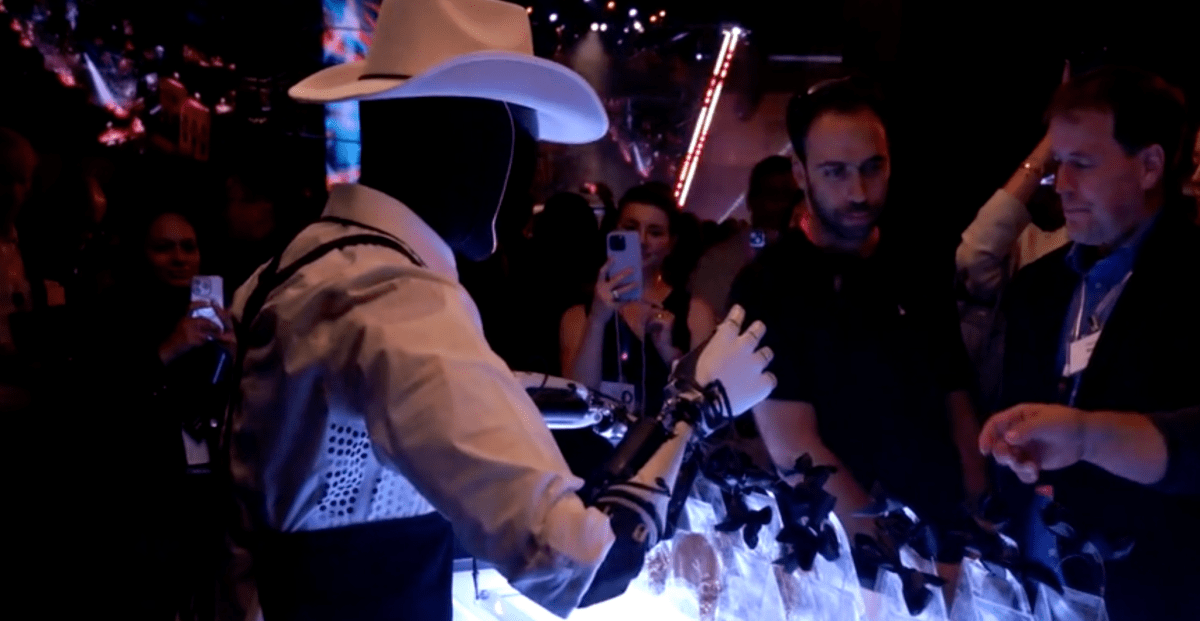
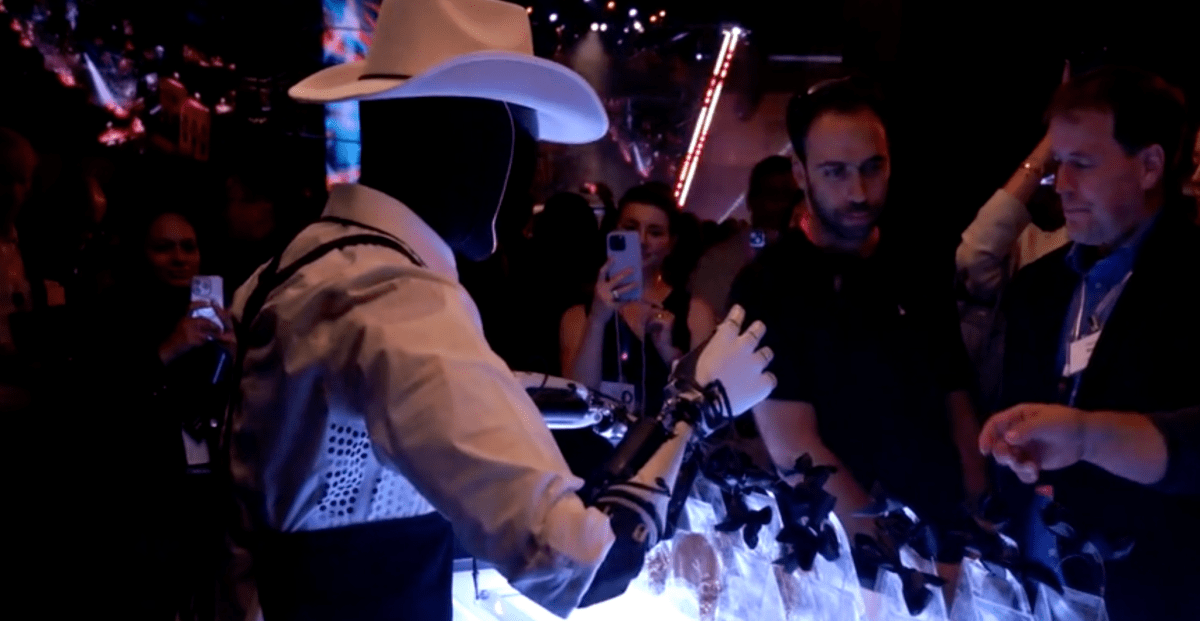

Awww, Lonnie didn’t get invited to the cool table.
Chin up, lil’ tubby bitch!