

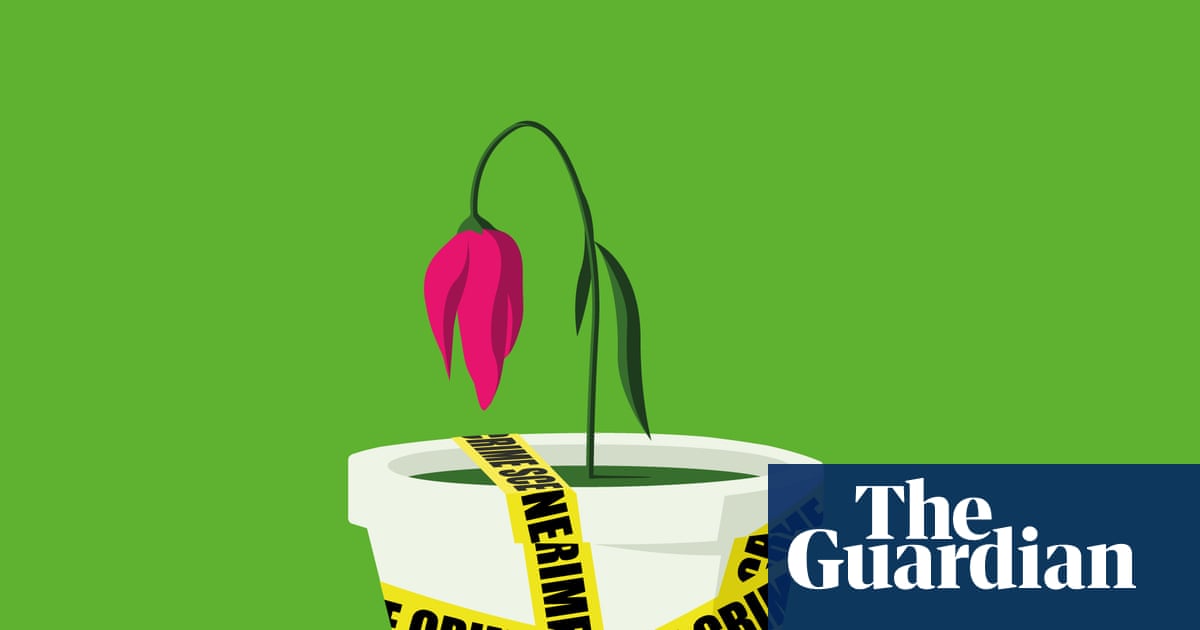
One day it struck me that the world would be a very different place if environmental crimes were treated in the same way as murders. So, why aren’t they? And should they be?
At the moment such crimes can, mistakenly, feel distant and abstract. If someone came into your flat and set fire to your furniture, stole your valuables, killed your pet, added poison to your water … what would you do? You’d be terrified. You’d go to the police. You might want revenge. You’d certainly want justice. It would be entirely obvious to you that a crime had been committed.
Rights of nature laws have been rapidly expanding for a couple decades now, have stopped massive deforestation and environmental exploitation in legal cases where nature advocates legally argue for and sue on behalf of the rights of nature.
So not exactly like murder, but in 40 countries nature can legally fight back.
Rights of nature aren’t popular yet because we aren’t living at the end of history where everything has been worked out, we’re right at the beginning of human civilization; most people are still struggling to survive, countries pop in and out of existence, a huge percentage of the world is currently officially at war while there are countless unofficial armed, economic and political conflicts everywhere.
An active minority of Maslow-secure, aware people have only just started to figure out how important the environment is and how to protect it in a resource-greedy world where the priority is immmediate profit over longevity.
What the author seems to be proposing is something like true crime media but for environmental crimes.
And if you’re tempted to turn around and say that environmental crimes don’t happen because of individuals, but because of “the system”, I hear you. Social structures, ideologies and politics have a profound impact on human behaviour. Using this term – the system – can feel like a profound contribution to a difficult discussion, underpinned by the desire not to over simplify. But exactly who, or what, is the system?
A serial killer also lives in a society, and we can blame society for any hardships they may have faced. But if on a true-crime show I were to simply cite “the system” as a motive for murder, people would want me to be more precise. We understand that choices are involved, and motives are personal, not just systemic. Otherwise, wouldn’t we all be criminals?
Seems like a cool idea.

