Maybe it’s cheaper than sugar in some cases? Milk is sweet and had fat in it, which can enhance other flavors. It still seems so self-defeating, though. They’re limiting their pool of potential buyers. Lactose intolerance is just as common as veganism.
It’s hard to imagine how milk products could be cheaper when they require more energy inputs and more processing, along with limiting the consumer base as you said. I guess it’s really subsidized so a lot of the actual cost is externalized?
I think like they’re just doing what they’ve always done. Inertia.
It’s cheaper because it’s a by product of an incredibly popular main product. There is so much of it that isn’t used it’s hard to sell for much because it’s abundant and otherwise they would have to pay to dispose of it. And it is a food grade by product that has chemical properties making it an engineering solution to food producers
But is it cheaper than just using sugar and vegetable oil? I’m skeptical, especially since a lot of products that aren’t even marketed as being dairy free don’t bother with using dairy products. I’m not surprised, I just think it’s one of those “if it works, don’t fix it” kind of things that get stuck in the process.
but if the demand is because it’s cheaper to use that product instead of alternatives, then the price can’t raise too much until those alternatives raise in price
And if there is no other user for it then that’s just where the price will stay
I feel like you’re overlooking the fact that dairy is subsidized too, like I said before. It’s not merely cheaper because it’s a waste product of something that’s “incredibly popular”, it’s propped up by the government. If the real price was paid the popularity of milk and its waste products would likely decrease.
There’s many factors that contribute to the price of dairy product. Dairy is used for a wide wide variety of things. I don’t think that subsidies are a relevant factor in the case of the waste products. If dairy wasn’t subsidized, dairy wouldn’t stop being used and those waste products would still be created and we are back to where we already are. If those waste products are still going to be produced, there may be less of it but still far more than needed and so there is still excess
I’m not overlooking subsidies, but I don’t see that is relevant. Since the subsidies are not in anyway for the production of dairy by products.
As an example where I am they are subsidized to create a system that will never run out of dairy as a consequence of WW2 era rationing my country decided we will never have a dairy shortage again. It was and still is(or just had never been reassessed) deemed too important to have milk and all the things they can do with it and how powerful it is as a source of nutrition in tones if scarcity because it ticks a lot of boxes.
Also the alternatives are also subsidized so I don’t see it being a useful point to consider.
So if you are calculating the cost of this by product to costs it’s cost effectiveness against the alternatives you also then have to calculate those subsidies for the alternative options as well. And if we eliminate subsidies from both sides of the comparisons then those other options sky rocket and only makes these by products relatively cheaper to use. Being that the alternatives subsidies are for the alternatives themselves. The key thing here is that it’s a by product of another product(s) and will always be available in quantities that are unable to be fully utilized anyways
They just won’t stop making dairy products even without subsidies. And if they stopped subsidizing it there would be a significant reduction in the amount produced, but as I understand the industry that won’t make a dent in the amount of these by-products needed given how little of it is actually used compared to how much is produced. I might be wrong on that but it is how I understand things to be and is what’s informing my opinions here.
Fun fact, a lot of shelf-stable peanut butter is actually defatted peanut flour remade into a paste with a cheaper canola or soy oil and a bit of sugar to mask the taste, so they can sell the peanut oil and the peanut butter it comes from.
I mean, really depends on the region for lactose intolerance:
Worldwide, about 80% of people experience some form of lactose intolerance as they age past infancy, but there are significant differences between populations and regions. As few as 5% of northern Europeans are lactose intolerant, while as many as 90% of adults in parts of Asia are lactose intolerant.
I can’t imagine it’s an issue for the lactose intolerant. I wouldn’t know though. It’s such a small amount usually, and probably cooked, so I’m sure it won’t cause any serious trouble.
Cooking does not affect lactose. And regarding the amount it depends how much lactase activity is left. If it’s none, even tiny amounts will cause problems. Heck, lactose intolerance prevented the settling of Vikings in North America! (Well - that’s probably not entirely true. The Natives one of the Viking boats encountered at one place were very friendly at first – and turned into fierce warriors driving away the Vikings after they were given a cheese as present. But facts shouldn’t stand in the way of a good story.)

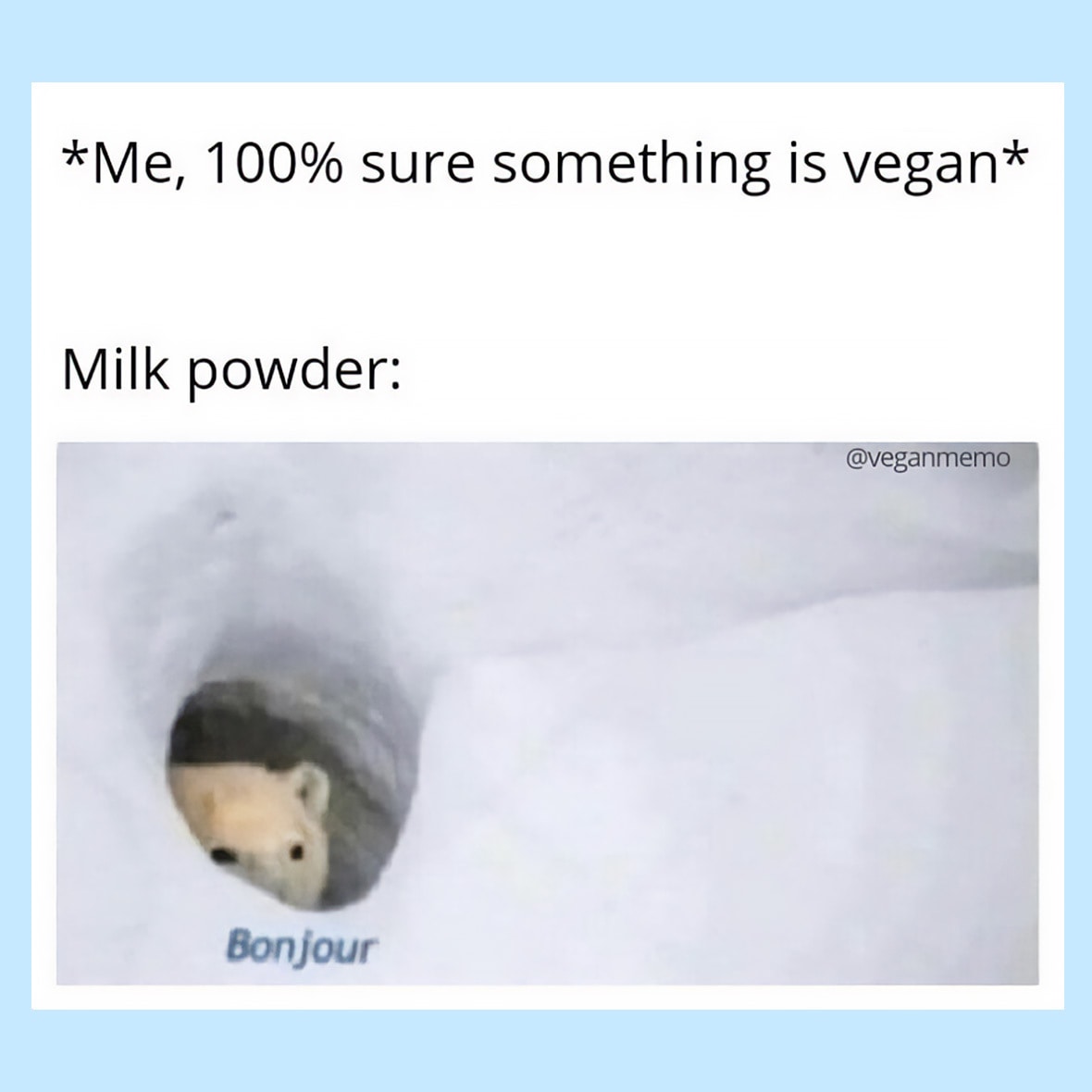
Maybe it’s cheaper than sugar in some cases? Milk is sweet and had fat in it, which can enhance other flavors. It still seems so self-defeating, though. They’re limiting their pool of potential buyers. Lactose intolerance is just as common as veganism.
It’s hard to imagine how milk products could be cheaper when they require more energy inputs and more processing, along with limiting the consumer base as you said. I guess it’s really subsidized so a lot of the actual cost is externalized?
I think like they’re just doing what they’ve always done. Inertia.
It’s cheaper because it’s a by product of an incredibly popular main product. There is so much of it that isn’t used it’s hard to sell for much because it’s abundant and otherwise they would have to pay to dispose of it. And it is a food grade by product that has chemical properties making it an engineering solution to food producers
That shouldn’t be a surprise I would have thought
But is it cheaper than just using sugar and vegetable oil? I’m skeptical, especially since a lot of products that aren’t even marketed as being dairy free don’t bother with using dairy products. I’m not surprised, I just think it’s one of those “if it works, don’t fix it” kind of things that get stuck in the process.
Iirc yes it is much cheaper because otherwise it’s a waste product
If there’s a demand for a waste product they can still charge for it, simply because companies will pay. It’s not like they give it away.
Yes.
but if the demand is because it’s cheaper to use that product instead of alternatives, then the price can’t raise too much until those alternatives raise in price
And if there is no other user for it then that’s just where the price will stay
I feel like you’re overlooking the fact that dairy is subsidized too, like I said before. It’s not merely cheaper because it’s a waste product of something that’s “incredibly popular”, it’s propped up by the government. If the real price was paid the popularity of milk and its waste products would likely decrease.
There’s many factors that contribute to the price of dairy product. Dairy is used for a wide wide variety of things. I don’t think that subsidies are a relevant factor in the case of the waste products. If dairy wasn’t subsidized, dairy wouldn’t stop being used and those waste products would still be created and we are back to where we already are. If those waste products are still going to be produced, there may be less of it but still far more than needed and so there is still excess
I’m not overlooking subsidies, but I don’t see that is relevant. Since the subsidies are not in anyway for the production of dairy by products.
As an example where I am they are subsidized to create a system that will never run out of dairy as a consequence of WW2 era rationing my country decided we will never have a dairy shortage again. It was and still is(or just had never been reassessed) deemed too important to have milk and all the things they can do with it and how powerful it is as a source of nutrition in tones if scarcity because it ticks a lot of boxes.
Also the alternatives are also subsidized so I don’t see it being a useful point to consider.
So if you are calculating the cost of this by product to costs it’s cost effectiveness against the alternatives you also then have to calculate those subsidies for the alternative options as well. And if we eliminate subsidies from both sides of the comparisons then those other options sky rocket and only makes these by products relatively cheaper to use. Being that the alternatives subsidies are for the alternatives themselves. The key thing here is that it’s a by product of another product(s) and will always be available in quantities that are unable to be fully utilized anyways
They just won’t stop making dairy products even without subsidies. And if they stopped subsidizing it there would be a significant reduction in the amount produced, but as I understand the industry that won’t make a dent in the amount of these by-products needed given how little of it is actually used compared to how much is produced. I might be wrong on that but it is how I understand things to be and is what’s informing my opinions here.
Fun fact, a lot of shelf-stable peanut butter is actually defatted peanut flour remade into a paste with a cheaper canola or soy oil and a bit of sugar to mask the taste, so they can sell the peanut oil and the peanut butter it comes from.
I can’t speak for other countries, but dairy farms are absolutely subsidized in the US.
Neither one of which is all that common compared to the rest of the population.
I mean, really depends on the region for lactose intolerance:
https://en.wikipedia.org/wiki/Lactose_intolerance#Epidemiology
I can’t imagine it’s an issue for the lactose intolerant. I wouldn’t know though. It’s such a small amount usually, and probably cooked, so I’m sure it won’t cause any serious trouble.
Cooking does not affect lactose. And regarding the amount it depends how much lactase activity is left. If it’s none, even tiny amounts will cause problems. Heck, lactose intolerance prevented the settling of Vikings in North America! (Well - that’s probably not entirely true. The Natives one of the Viking boats encountered at one place were very friendly at first – and turned into fierce warriors driving away the Vikings after they were given a cheese as present. But facts shouldn’t stand in the way of a good story.)
@Cethin @ObtuseDoorFrame It’s a major issue for the alpha-gal intolerant.
whey, ugh!