

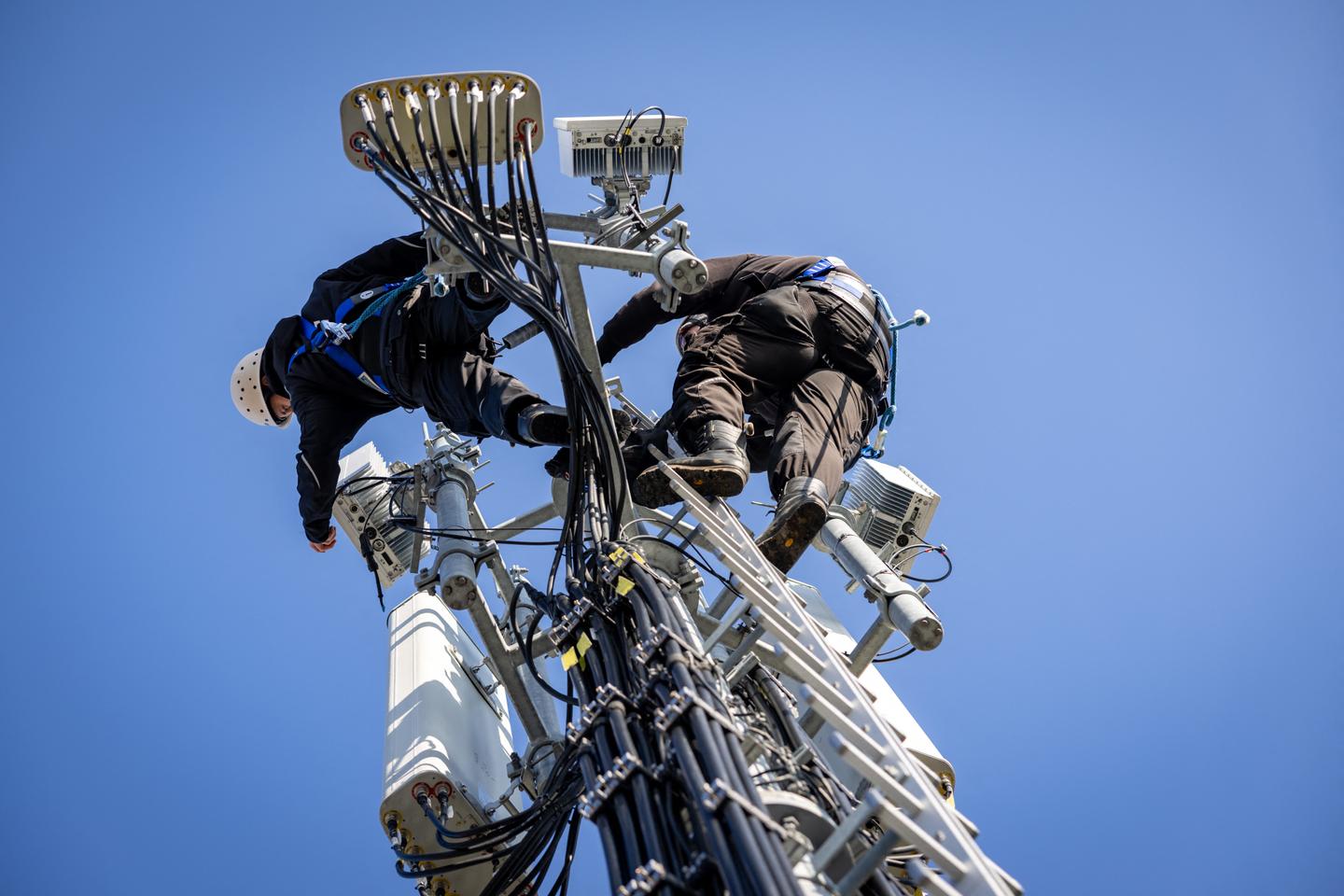
Telefonica approved a sweeping redundancy plan affecting 5,500 jobs
BT, another historic company, cut 5,000 jobs. The same was true for its German counterpart, Deutsche Telekom, which let go of 3,300 employees in the third quarter over the course of a year, as well as the Scandinavian operator TeliaSonera, which announced plans to cut up to 3,000 jobs in Sweden.
Nokia, which announced 14,000 job cuts over three years in October 2023, asked France in November to bear 427 layoffs and warned Germany it would close a site employing 700 people in Munich by 2030. Ericsson, its Swedish rival, also planned to reduce its headcount in France by 130.
Infrastructure like this is one of the things that shouldn’t be driven by a profit motive because the positive externalities greatly exceed the potential profit loss from overbuilding. But what can you do, capitalism.
In the midst of a round of voluntary redundancies in my job as well. I had hoped it would be a place to work until retirement but actively looking for something else to pivot into in the next few years as this trend continues.
But I mean, at what point is enough, enough? 3G was good enough for mostly everything but downloading movies. With LTE, we were good. We didn’t need 5G. At the beginning, it was pointless because it was such a battery hog. So what’s 6G going to even bring? Ideally, it should require less power and also have greater range to bring mobile broadband “to the last mile,” to use an industry term to mean that rural customers should be supported no matter how far out in the sticks they are.
As for the manufacturers, what exactly has Ericsson made in the last 10 years? I’m guessing telecom equipment, because AFAIK they never made smartphones. Under “Sony Ericsson” they made some good feature phones, but I don’t recall them ever entering the smartphone race. Nokia did, and failed (partly because Windows Phone failed). But even the top dogs, Apple and Samsung, are just putting out the same thing year after year. Apple brought a feature just about every other phone had, to its basic model. The pro, they just widened the bump and said “we aren’t making a black one this year” to be edgy (ironically). The Galaxy S25 is just like the S24 but with a minor spec bump. (And my Galaxy S10, from 2019, is still a decent phone, and in fact does things my 2024 iPhone 16 Pro Max can’t do.)
So… I think telecom just needs to maintain for now… I don’t see advancements happening, or being necessary right now. Especially with the rising cost of components (RAM, storage).
5G and 6G aren’t really for “normal” users with a smartphone. 5G is more or less a more flexible 4G and adds a lot of optional things for industrial automation (low latency, positioning) and vehicle to vehicle communication. 5G is also not limited to public installations, the industrial automation stuff for example is mostly interesting for private installations. Another part of the motivation for 5G was reduced energy consumption for base stations. It’s not really clear to me what 6G will ultimately include, but there is a lot of interest from the aviation industry to get some of their use-cases covered, there will probably be more stuff for automotive communication as well. I suppose 6G will go more in the direction of a standard for everything, mobile phones is only one use-case of many, and maybe not even the most profitable one.
Ideally, it should require less power and also have greater range to bring mobile broadband “to the last mile,” to use an industry term to mean that rural customers should be supported no matter how far out in the sticks they are.
If you want higher range then you need to use lower frequencies, but at lower frequencies you can’t get a lot of bandwidth as the spectrum is very crowded. Also low power and high range is at odds with high data rates in general.
