

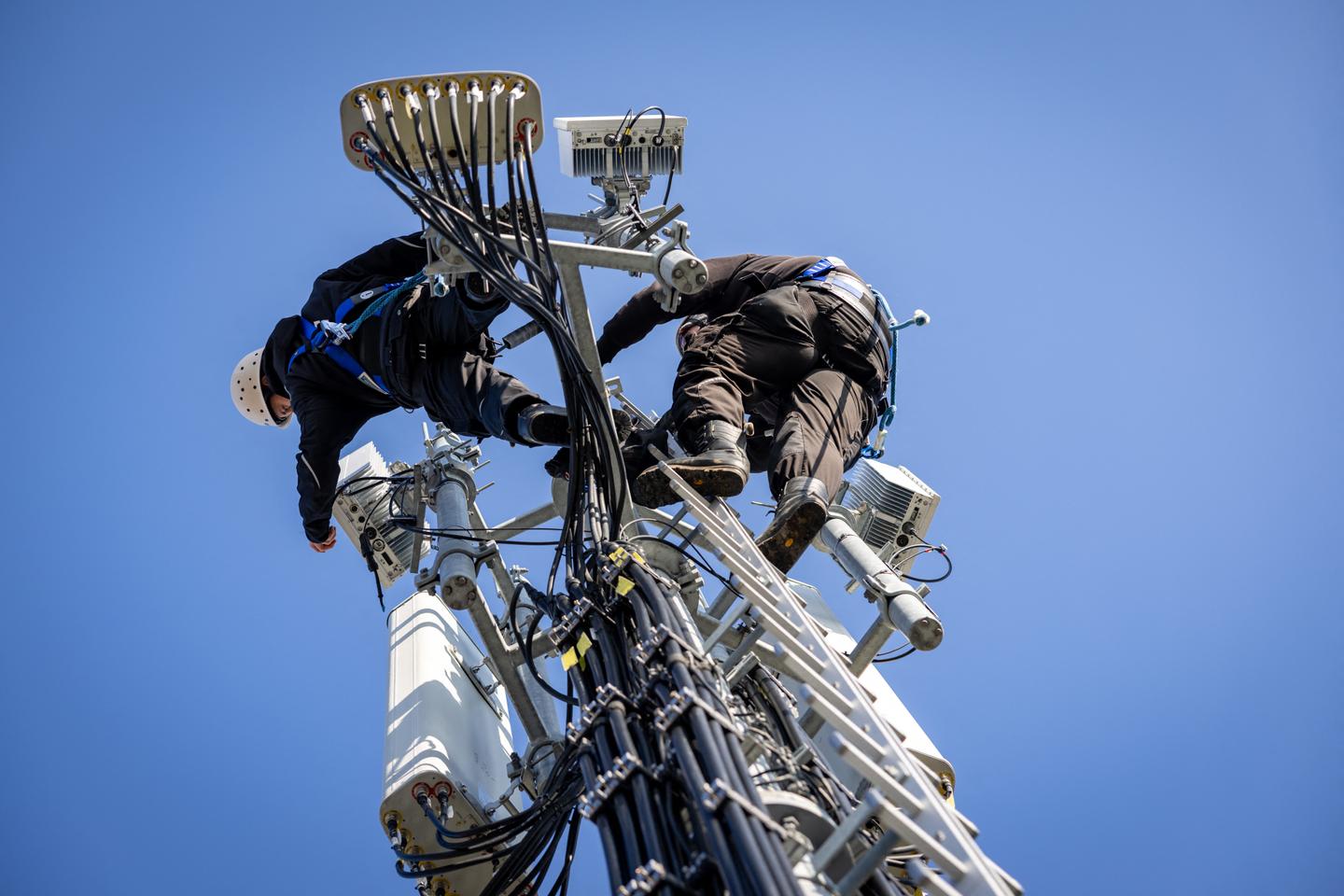
Telefonica approved a sweeping redundancy plan affecting 5,500 jobs
BT, another historic company, cut 5,000 jobs. The same was true for its German counterpart, Deutsche Telekom, which let go of 3,300 employees in the third quarter over the course of a year, as well as the Scandinavian operator TeliaSonera, which announced plans to cut up to 3,000 jobs in Sweden.
Nokia, which announced 14,000 job cuts over three years in October 2023, asked France in November to bear 427 layoffs and warned Germany it would close a site employing 700 people in Munich by 2030. Ericsson, its Swedish rival, also planned to reduce its headcount in France by 130.
5G and 6G aren’t really for “normal” users with a smartphone. 5G is more or less a more flexible 4G and adds a lot of optional things for industrial automation (low latency, positioning) and vehicle to vehicle communication. 5G is also not limited to public installations, the industrial automation stuff for example is mostly interesting for private installations. Another part of the motivation for 5G was reduced energy consumption for base stations. It’s not really clear to me what 6G will ultimately include, but there is a lot of interest from the aviation industry to get some of their use-cases covered, there will probably be more stuff for automotive communication as well. I suppose 6G will go more in the direction of a standard for everything, mobile phones is only one use-case of many, and maybe not even the most profitable one.
If you want higher range then you need to use lower frequencies, but at lower frequencies you can’t get a lot of bandwidth as the spectrum is very crowded. Also low power and high range is at odds with high data rates in general.