

42·
21 days agoOf course it is. If you had the technology to create a revolutionary battery, you wouldn’t waste time with the motorcycle business.
Of course it is. If you had the technology to create a revolutionary battery, you wouldn’t waste time with the motorcycle business.
You forgot to put it in a PDF and charge $2 million.
Betcha on land they understand Bet they don’t reprimand their daughters
Mermaids are famously delusional about the lives of humans.
does the UI just render blank squares in that case?
AWS wasn’t profitable because they were reiinvesting all their revenue back into growing the service. If they chose to stop growing, they could have been profitable at any point.
AI as an industry is actively, violently unprofitable. They can’t even afford to keep the lights on without torching investor money. The more they grow, the faster they lose money.
The fuses protect the lines upstream to the next protection device. That doesn’t mean every house could max out their breaker at the same time. Just like you can’t pull the max amperage on each circuit breaker in your panel without popping the mail breaker.
To answer your question, most American homes I’ve seen have 240V at 200A. Some older homes have 100A.
I was waiting for this story after I saw that on my inbox.
Waiting until “plex pro” and they slowly sunset features on the original plex lifetime pass.
Hey look! We rediscovered netbooks!
Might have to dust off my EeePC.

Switch Lite. Great console, but limited in stupid ways. Why no video out?
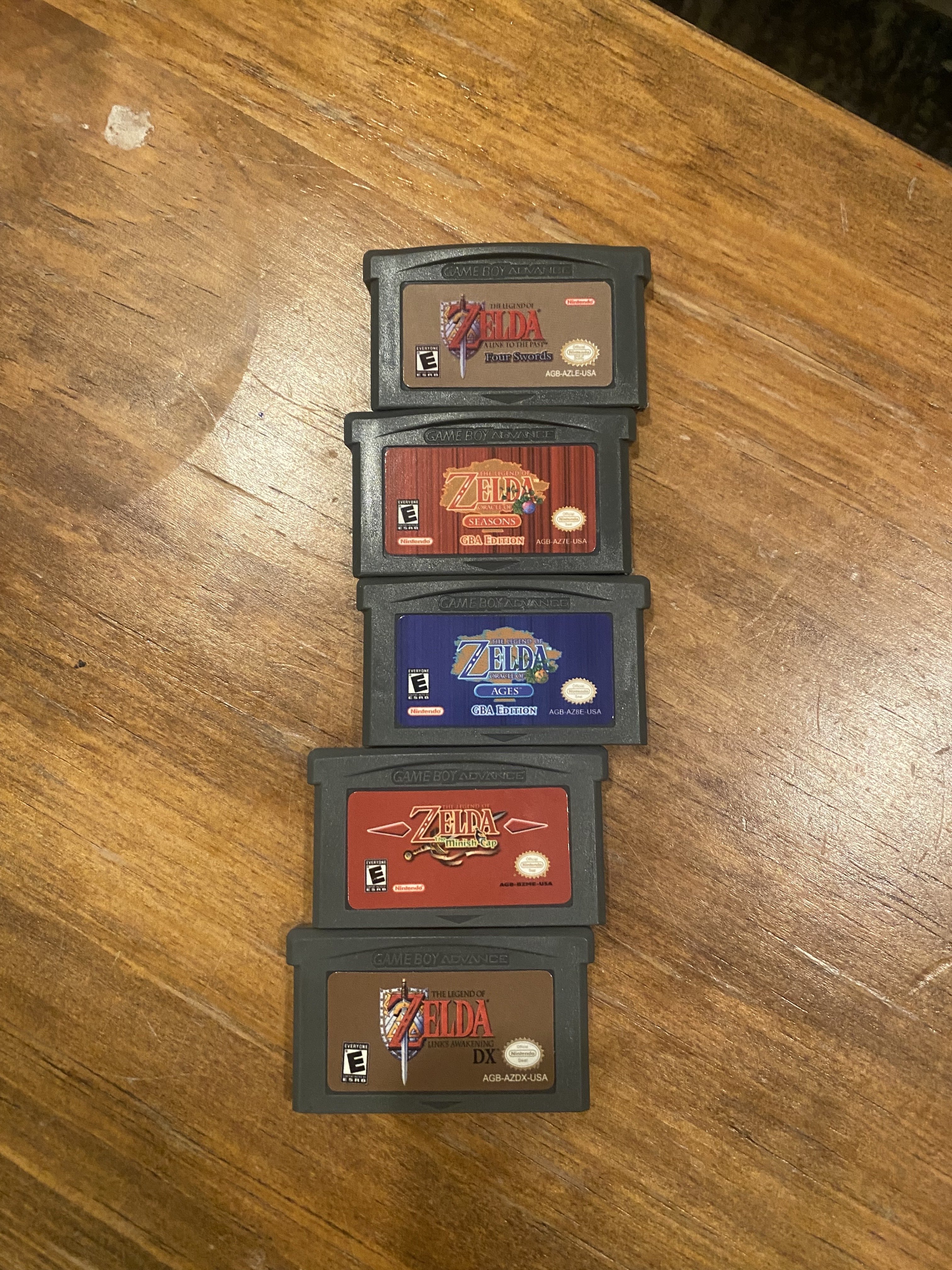
there were only 14 titles released in the US
Well after whatever period of time, the option to even request a chargeback on your account portal goes away. Not sure how you’d even proceed at that point, but I imagine it involves an incredible amount of being on hold.
If tens of thousands of people started requesting chargebacks for the same product at the same time from a new vendor, I don’t think Visa would be quick to side with the vendor.
As I pointed out a year ago, this phone never existed.
They just waited until it was too late to do credit card chargebacks before pulling the rug. I’ve seen it on Kickstarter dozens of times.

You can be too close to a door to close it.
so 1b is 1 butt or approximately 481l.
Orion is one of my favorites. One of the few deep space objects that can be faintly observed with the naked eye even in suburban light pollution conditions. You just need to know where to look and what you’re looking for (faint smudge).















But plenty of people in the late 90s did when the EV-1 came out with its lead-acid and later NiMH batteries. Modern EV battery tech wasn’t built for EVs, it was built for general applications, worked its way into consumer electronics and then from there into EVs. In fact, many modern EV batteries are made up of 18650 cells which were first used in laptops.
The Donut labs thing would make sense if they were also spinning off an energy company and just using the motorcycle business to get attention. Tesla and Ford have already successfully spun off energy branches though in their case it’s more to take advantage of their production capacity over any major leap in battery tech.
Random link says global motorcycle sales are $174 billion.
https://www.freedoniagroup.com/industry-study/global-motorcycles
Ford motor company sold $183 billion in 2025 alone.
https://s205.q4cdn.com/882619693/files/doc_financials/2025/q4/Ford-Q4-2025-Earnings-Press-Release.pdf
Motorcycles are just such a small market compared to the application space for a high performance EV battery. It makes no sense to limit a new battery to that.