
6·
10 days agoIt’s linked down there: https://github.com/LemmyNet
It’s linked down there: https://github.com/LemmyNet
And even though there is higher quantity of discussion, the quality might vary heavily.
Nope. Communities are central to Lemmy. You can of course edit your own profile description if you want.

Sopuli might as well follow suit. Thanks for the information!

Would the more appropriate name be “SSK” as in “Shin Saudi Kikaku”, “New Saudi Project”?
Splatoon 3’s main campaign and the Side Order DLC overhauled the single player experience, so making a fully single-player spin-off makes perfect sense. Ever since Breath of the Wild Nintendo has wanted to make more of their games open world, and it may work in Splatoon’s case; they may be throwing spaghetti at the wall and try to see if sticks. Just making a Splatoon 4 and calling it a day would be too easy and predictable, it can wait.
Javier Milei might have something to do with it.

Well, from a technical standpoint I am more prepared as an instance admin compared to Summer 2023. We’re running on powerful dedicated hardware after all.
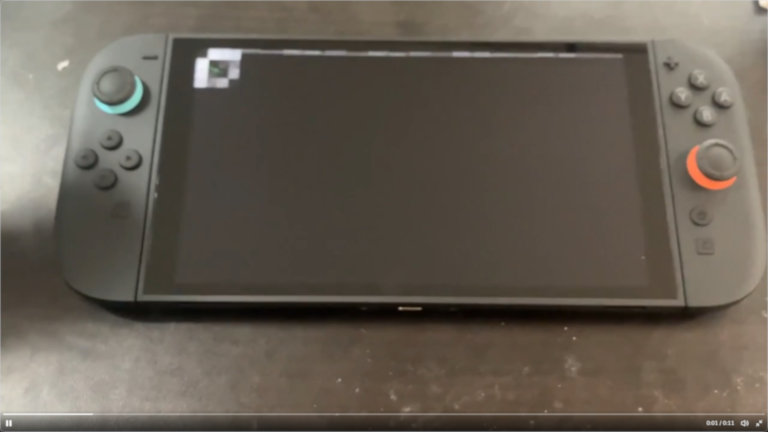
There aren’t enough appealing Switch 2 games at least for me, the price should go down and I rather wait for that EU model with easier battery-swapping.
There are so many, but the first song that came to my mind is “Dogman” by King’s X. https://www.youtube.com/watch?v=jYx50Y5hkKA
So heavy and massive sound, the vocal harmonies are a cherry on top. King’s X is among the world’s most underrated bands, even though many thought it invented grunge.
Brighter than ever, thanks to Steam Deck and Microsoft’s general idiocy.

Just read that he was a Trump-supporting Republican, I understand why you called him an asshole.
“EA is EA, even if you fried it with butter.”
If parents have pedagogic experience in teaching, understand the possible downsides and how to mitigate them, then I can understand homeschooling. Otherwise I’d recommend normal schooling.
They are exclusively for Nintendo’s consoles, and it owns a third of the Pokemon company. Simple.
And here in Finland this guy is all ears when he hears that Iran needs a new Ayatollah. 
Considering how the person replacing Spencer has been known from leading Microsoft’s AI division and isn’t much of a gamer, this doesn’t make Xbox’s future rosy. Dwindling sales, large layoffs and RAM prices skyrocketing… I highly doubt they can build a competitive console.

“Aave” is “ghost” in Finnish.

Tobacco industry boss: smoking two packs a day is not addiction.






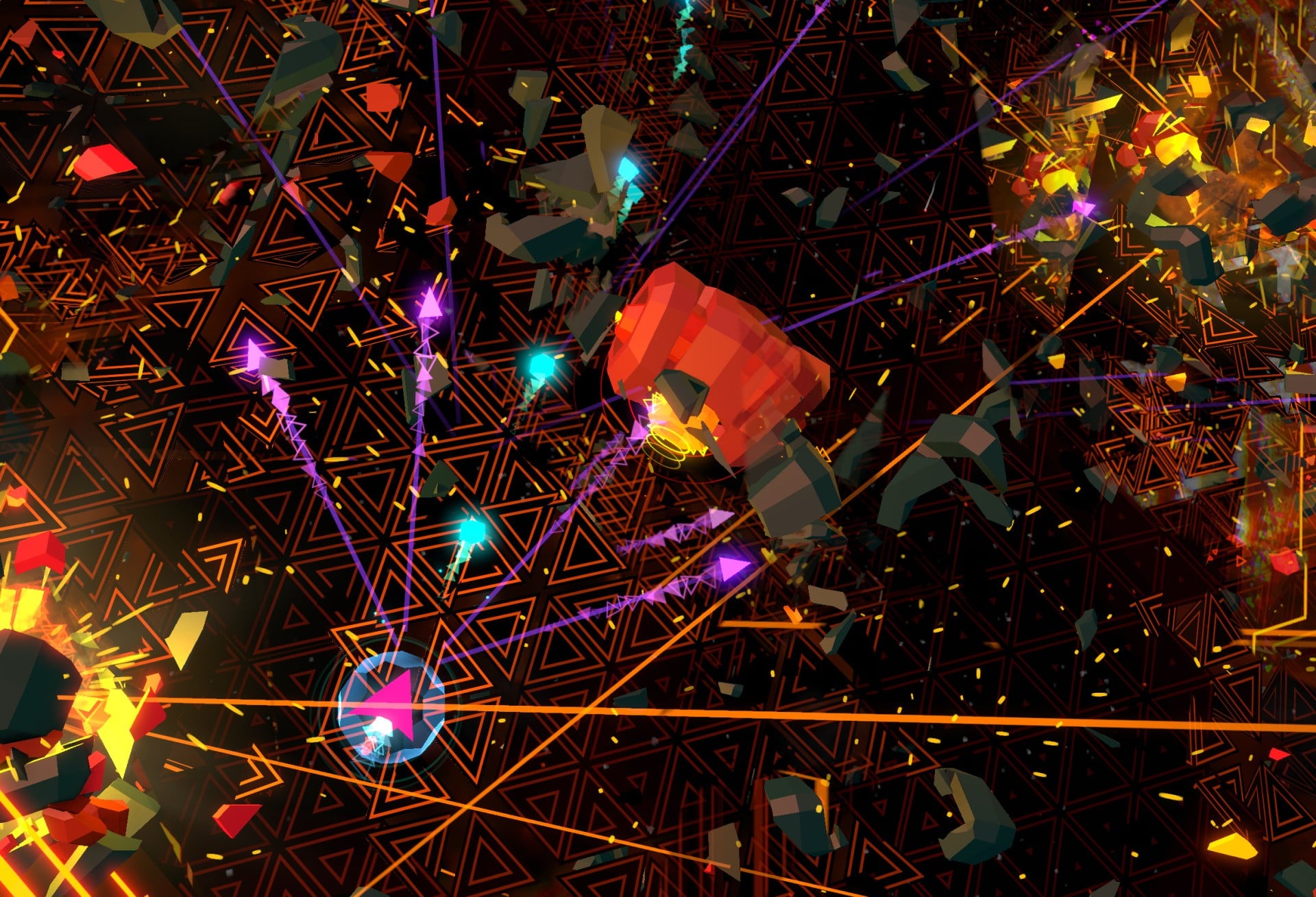
Too overhyped, ridiculous price, it will melt my PC likely… nope, not interested.